
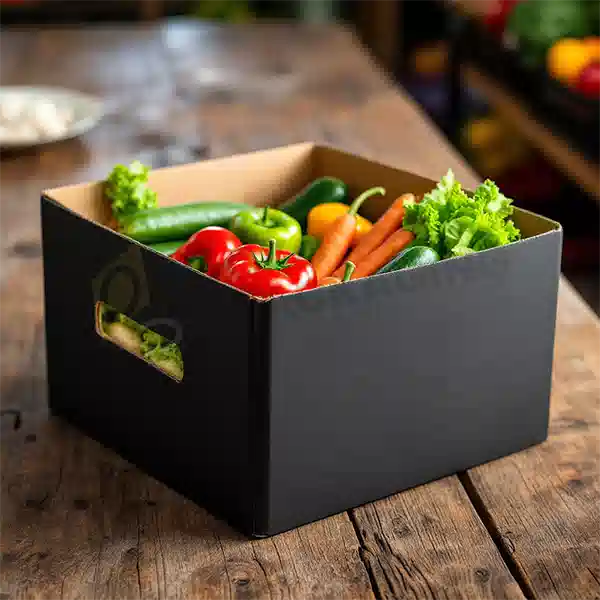
Fresh vegetables are highly perishable and require careful handling throughout the supply chain. From harvesting and storage to shipping and retail display, vegetables are exposed to moisture, pressure, temperature changes, and physical impact that can reduce their freshness and quality. Without the right packaging, businesses may experience product damage, food waste, and dissatisfied customers.
Custom vegetable packaging is designed to protect fresh produce during transportation while maintaining quality and extending shelf life. By using durable, food-grade, and properly ventilated packaging, growers, wholesalers, and retailers can reduce spoilage, improve product presentation, and strengthen their brand image.
In this guide, we’ll explore how custom vegetable packaging improves product protection during transport, the best materials, essential design features, and why investing in quality packaging is beneficial for food businesses.
What Is Custom Vegetable Packaging?
Custom vegetable packaging is specially designed packaging created to safely store, transport, and display fresh vegetables. These packaging solutions can be customized in different sizes, shapes, and styles to accommodate various types of produce while showcasing your brand.
Common customization options include:
- Company logo
- Brand colors
- Product information
- Nutrition details
- QR codes
- Storage instructions
- Country of origin
- Eco-friendly messaging
Custom packaging combines product protection with professional branding.
Why Transportation Protection Matters
Vegetables travel through multiple stages before reaching consumers.
During transport, they may be exposed to:
- Physical impact
- Compression
- Moisture
- Heat
- Humidity
- Contamination
- Rough handling
Proper packaging minimizes these risks and helps maintain product quality throughout the supply chain.
Benefits of Custom Vegetable Packaging
Protects Against Physical Damage
Fresh vegetables can bruise, crack, or become crushed during transportation.
Durable custom packaging helps reduce damage by providing structural support and cushioning.
This is especially important for delicate vegetables like tomatoes, mushrooms, peppers, and leafy greens.
Maintains Freshness
Food-grade vegetable packaging helps preserve freshness by protecting produce from excessive moisture loss and external contaminants.
Proper packaging helps maintain:
- Texture
- Color
- Flavor
- Nutritional value
- Shelf life
Fresh products result in happier customers and fewer returns.
Improves Ventilation
Many vegetables require airflow during storage and transportation.
Custom packaging can include strategically placed ventilation holes that help:
- Reduce condensation
- Improve air circulation
- Control moisture levels
- Slow spoilage
Well-ventilated packaging keeps vegetables fresh for longer.
Reduces Food Waste
Damaged vegetables often cannot be sold.
Protective packaging reduces spoilage and transportation losses, helping businesses lower waste and improve profitability.
Strengthens Brand Identity
Custom vegetable packaging also serves as a marketing tool.
Include branding elements such as:
- Company logo
- Brand colors
- Product labels
- Website
- QR codes
- Sustainability messages
Professional branding builds customer trust and increases product recognition.
Best Materials for Custom Vegetable Packaging
Choosing the right packaging material is essential for protecting fresh produce.
Corrugated Cardboard
One of the most popular materials for transporting vegetables.
Benefits
- Strong construction
- Lightweight
- Shock absorption
- Recyclable
- Excellent stacking strength
Kraft Paper
Ideal for eco-friendly vegetable packaging.
Benefits
- Biodegradable
- Recyclable
- Sustainable
- Natural appearance
Food-Grade Cardboard
Suitable for retail vegetable packaging.
Benefits
- Durable
- Lightweight
- Excellent print quality
- Food-safe
Molded Fiber Trays
Perfect for delicate vegetables.
Benefits
- Biodegradable
- Excellent cushioning
- Moisture resistance
- Sustainable
Essential Features of Vegetable Packaging
High-quality vegetable packaging should include:
- Ventilation holes
- Moisture resistance
- Durable construction
- Food-safe materials
- Stackable design
- Lightweight structure
- Secure closure
- Easy handling
These features help protect produce while simplifying transportation and storage.
Popular Vegetable Packaging Styles
Businesses can choose from several packaging formats.
Common options include:
- Corrugated cartons
- Produce trays
- Window boxes
- Folding cartons
- Display boxes
- Carry boxes
- Retail sleeves
- Subscription produce boxes
Selecting the right style depends on the type of vegetables being packaged.
Eco-Friendly Vegetable Packaging
Sustainability has become a priority for both consumers and retailers.
Environmentally friendly options include:
- Recycled cardboard
- Kraft paper
- FSC-certified paperboard
- Molded pulp packaging
- Soy-based inks
- Water-based coatings
Eco-friendly packaging reduces environmental impact while strengthening brand reputation.
Creative Branding Ideas
Even transportation packaging can enhance brand recognition.
Consider including:
Fresh Produce Graphics
Illustrations of vegetables emphasize freshness and quality.
Color-Coded Packaging
Different colors can represent different vegetable categories.
QR Codes
Link customers to:
- Farm information
- Product traceability
- Storage tips
- Recipes
- Sustainability initiatives
QR codes improve transparency and customer engagement.
Minimalist Designs
Clean layouts with natural colors reinforce freshness and sustainability.
Design Tips for Better Vegetable Packaging
Create effective packaging by following these best practices:
- Use food-grade materials.
- Include proper ventilation.
- Choose moisture-resistant packaging.
- Display your logo prominently.
- Ensure boxes are stackable.
- Keep branding clean and professional.
- Print storage instructions clearly.
- Select packaging that fits the produce securely.
Attention to detail improves both product protection and customer satisfaction.
Common Packaging Mistakes to Avoid
Avoid these common issues:
- Poor ventilation
- Weak packaging materials
- Oversized boxes
- Inadequate moisture protection
- Missing product information
- Low-quality printing
- Difficult handling
- Ignoring sustainability
Proper packaging design helps minimize transportation damage.
Industries That Benefit from Custom Vegetable Packaging
Custom vegetable packaging is widely used by:
- Vegetable farms
- Organic produce growers
- Food distributors
- Supermarkets
- Grocery stores
- Farmers’ markets
- Wholesale suppliers
- Export businesses
- Meal kit companies
- eCommerce grocery retailers
Its versatility makes it suitable for businesses throughout the food supply chain.
Frequently Asked Questions
What is custom vegetable packaging?
Custom vegetable packaging is specialized food-grade packaging designed to protect fresh vegetables during storage, transportation, and retail display while promoting a brand.
Why is ventilation important in vegetable packaging?
Ventilation allows proper airflow, reduces condensation, controls moisture, and helps extend the freshness of vegetables.
Which material is best for transporting vegetables?
Corrugated cardboard is widely preferred because it is lightweight, durable, stackable, and recyclable. Kraft paper and molded fiber trays are also excellent options for specific produce.
Can vegetable packaging be environmentally friendly?
Yes. Many businesses use recycled cardboard, kraft paper, molded pulp, FSC-certified materials, and soy-based inks to create sustainable packaging.
What information should appear on vegetable packaging?
Include your logo, product name, storage instructions, country of origin, handling guidelines, QR codes, and traceability information where applicable.
Conclusion
Custom vegetable packaging plays a crucial role in protecting fresh produce during transportation by reducing physical damage, maintaining freshness, improving ventilation, and minimizing food waste. High-quality, food-grade packaging ensures that vegetables arrive at retailers and consumers in excellent condition while supporting efficient handling throughout the supply chain.
Beyond protection, custom packaging strengthens your brand through professional designs, clear labeling, and sustainable materials that appeal to modern consumers. Whether you’re supplying local markets, supermarkets, or international distributors, investing in durable custom vegetable packaging helps improve product quality, customer satisfaction, and long-term business success.