

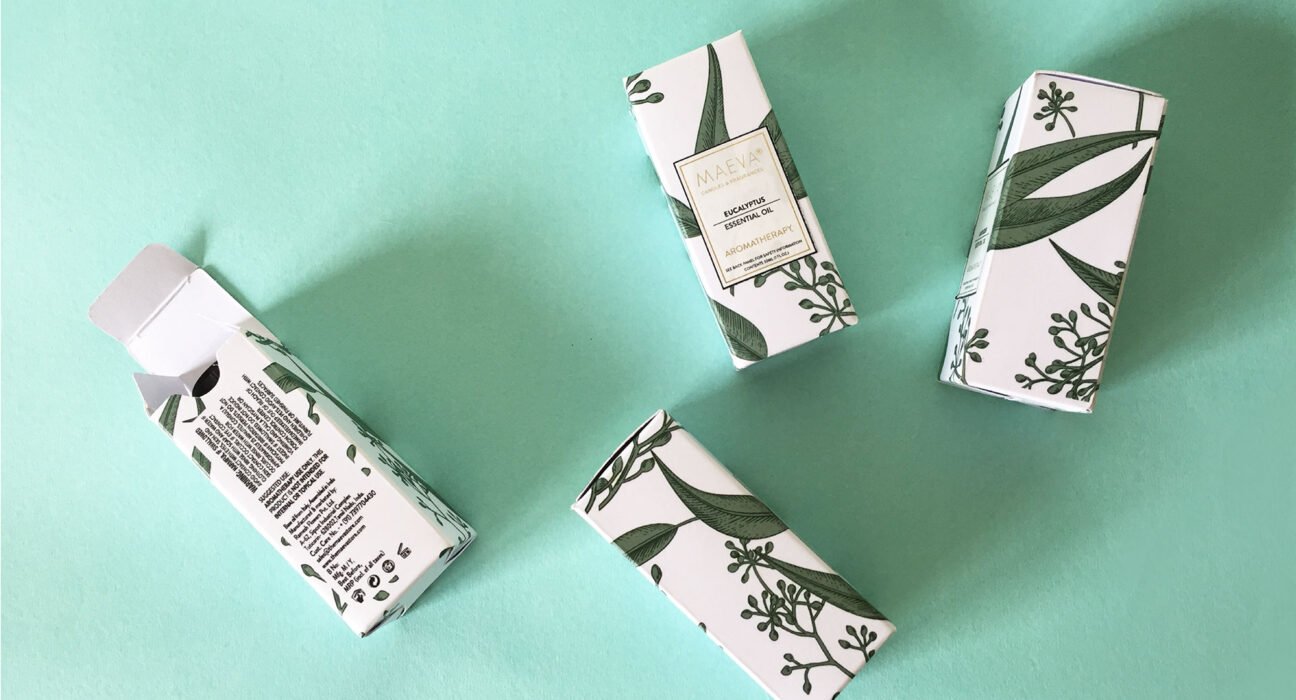
I’ve talked to a few essential oil sellers who genuinely couldn’t figure out why their product wasn’t selling as well as a competitor’s, even though by their own account their lavender was sourced better and tested cleaner. Turned out the competitor’s bottles just looked and felt more premium, and the shipping never left customers with a cracked cap or a faded label. Quality and presentation get tangled up in a customer’s head more than most brands want to admit. You can nail the oil itself and still lose the sale somewhere else entirely.
So here’s what actually goes into a genuinely high-quality essential oil, beyond just what’s floating around inside the bottle.
It Starts with Where the Plant Came From
This sounds obvious, but sourcing is where a lot of quality gets decided before anyone’s even thought about bottling. Plants grown without heavy pesticide use, in soil that hasn’t been stripped by years of over farming, tend to produce oils with a cleaner, more complex scent profile — and this isn’t just a marketing talking point, it shows up in lab testing too. Brands that can actually name where their lavender or eucalyptus came from, instead of hiding behind words like “pure” and “natural” that don’t really mean anything on their own, tend to earn a different level of trust. Customers have gotten wise to vague labeling. It doesn’t land the way it used to.
Extraction method matters just as much, maybe more. Steam distillation is still considered the gold standard for most oils, mainly because it keeps the plant’s chemical structure intact without leaving solvent residue behind. Citrus oils are usually the exception cold pressing tends to work better there. Solvent extraction is cheaper, sure, but it can leave trace residue that quietly undercuts whatever purity claims a brand is making on the label. Worth being upfront about which method was used. Customers who care enough to ask usually appreciate the honesty.
Testing Is Where the Real Brands Separate From the Rest
A serious essential oil should have GC-MS testing behind it gas chromatography-mass spectrometry, if you want the full name. It’s basically a way of confirming exactly what’s in a given batch, chemically speaking, rather than just trusting the label. Brands willing to publish these results, or at least hand them over when a customer asks, are showing something real instead of just talking a good game.
This matters more than people realize because oils are shockingly easy to cut or fake without anyone noticing by smell alone. A batch stretched with a cheap carrier oil, or spiked with a synthetic fragrance compound, can still smell convincing enough to fool most people. Testing is really one of the only things that separates a brand that’s actually serious about quality from one that’s just riding the aesthetic of wellness without much behind it.
Storage Matters Almost as Much as Sourcing (and Nobody Talks About It Enough)
This is the part that trips up a lot of newer brands. Light, heat, and air all degrade essential oils over time, and it doesn’t matter how good the oil was on day one degradation happens either way. UV exposure specifically breaks down the compounds responsible for both scent and therapeutic effect, which is exactly why quality oils almost always ship in dark amber or cobalt glass instead of clear glass or plastic.
But the bottle is only half of it. A brand can source and bottle everything perfectly and still loses product quality somewhere between the warehouse and the customer’s doorstep if the outer packaging isn’t doing its job. This is usually where brands realize their generic shipping box isn’t cutting it anymore. A best essential oil storage box needs to block out light completely, cushion glass bottles well enough to survive rough handling, and keep multiple bottles from knocking into each other in transit because even a hairline chip in the glass lets air creep in and speeds up the whole degradation process.
Batches Should Actually Match Each Other
Something people don’t think about until it bites them: does the oil smell and perform the same from one order to the next? Some natural variation is unavoidable growing seasons shift, weather changes, no two harvests are identical but a well-run brand accounts for that through steady supplier relationships and careful blending, without watering down the actual purity to smooth things over.
Customers notice fast when a favorite scent suddenly feels off or weaker than the last bottle. That inconsistency erodes trust quicker than almost anything else in this category. Brands that stick with reliable, known suppliers instead of chasing whoever’s cheapest that quarter tend to avoid this problem a lot more reliably.
Labels That Actually Say Something
The better essential oil brands label thoroughly botanical name, country of origin, extraction method, batch number, the whole picture. It does two things at once. It builds credibility with the customers who know what to look for, and it gives the brand a way to trace a problem back to its source if something ever needs investigating.
Vague labels, on the other hand, tend to correlate pretty reliably with lower quality overall. Brands confident in their sourcing usually want to show it off, not bury it.
Putting It All Together
None of these things work in isolation. Sourcing, extraction, testing, storage, batch consistency, honest labeling: a brand that nails the oil but skips proper storage and packaging still ends up losing customers to a degraded product. A Premier Rigid Boxes brand that packages beautifully but cuts corners on sourcing eventually gets caught out, either by lab testing or by customers who just notice the difference themselves.
For any brand actually trying to build something lasting in this space, all of these pieces need roughly equal attention. Focusing purely on what’s inside the bottle and treating everything else as an afterthought is exactly how a promising brand starts losing ground once customers begin comparing notes with each other.