

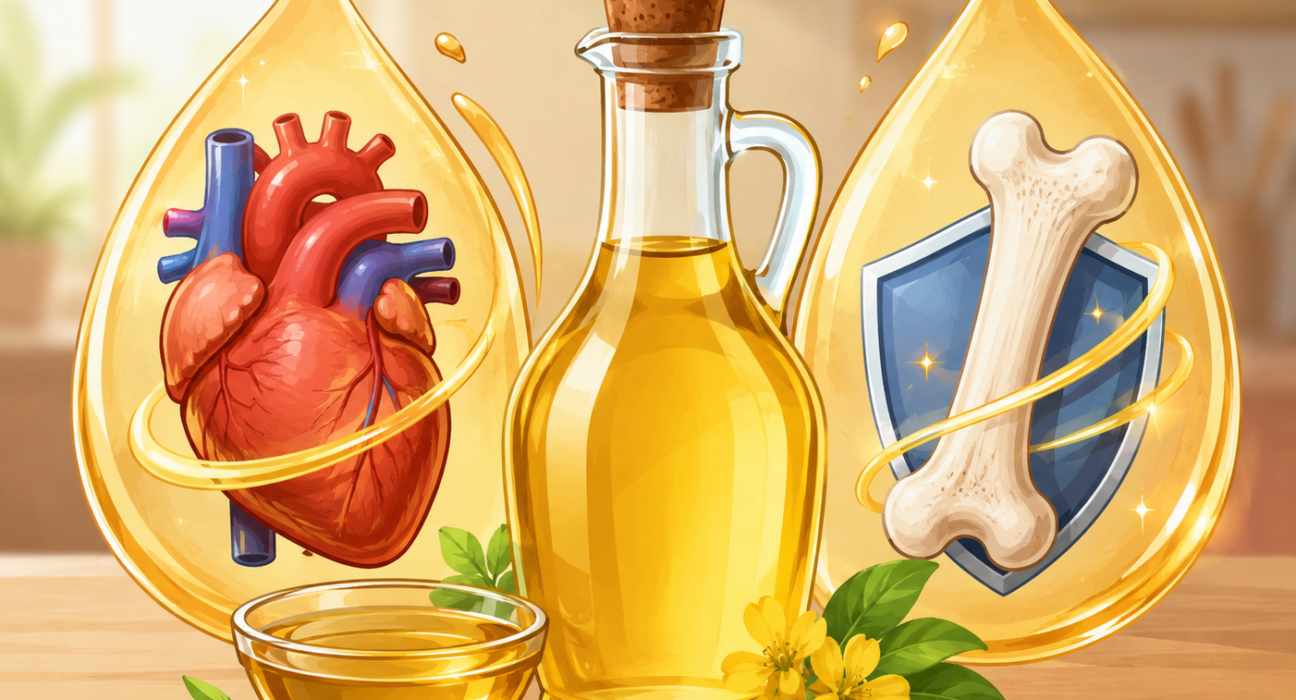
Most people think about taste first and health second when it comes to the food on their plate, yet the oil used to prepare that meal often has a bigger influence on long-term wellbeing than any single ingredient. Every dish that passes through a pan carries a small dose of whatever fat was used to cook it, and over months and years, this adds up in ways that are easy to overlook. Understanding how Cooking oil interacts with the body, and how it changes once it is heated, gives households a much clearer picture of why this everyday kitchen staple deserves more attention than it usually gets. This article looks at the real health impact of oil choices and explains how Eva supports families trying to eat better without giving up the flavours they love.
The Direct Link Between Oil and Heart Health
Heart health is one of the areas most closely tied to the type of fat consumed regularly, and oil is often the single largest source of dietary fat in a typical household. Oils rich in monounsaturated and polyunsaturated fats, such as sunflower and canola oil, are generally associated with better cholesterol balance compared to oils high in saturated fat. Over time, consistently using oils with a healthier fat profile can support better circulation and reduce strain on the cardiovascular system, while oils heavy in saturated or trans fats can gradually work against these same goals. Since most families do not change their cooking oil frequently, the choice made at the grocery store often becomes a long-term dietary pattern rather than a one-time decision, which is exactly why the cooking oil sitting in the pantry deserves closer thought.
What Happens to Oil Once It Is Heated
Many people assume that oil remains chemically the same regardless of how it is used, but heat changes its structure in ways that directly affect health. When oil is heated beyond its ideal temperature range, it begins to break down and can form compounds that are not beneficial for the body, particularly with repeated exposure to high heat. This is why reusing the same batch of oil for multiple frying sessions is a habit worth reconsidering, even though it may feel like a practical way to save money. Fresh, properly heated cooking oil not only tastes better but also retains more of its natural nutritional value, which is lost more quickly with each additional round of frying.
The Connection Between Oil and Digestion
Beyond heart health, oil also plays a role in how comfortably the body processes a meal. Heavier, more saturated fats can take longer to digest, which is why fried foods sometimes leave a feeling of heaviness that lighter meals do not produce. Choosing a cooking oil with a lighter fat profile can make a noticeable difference for people who experience frequent digestive discomfort after meals, especially when combined with more balanced portion sizes. This does not mean fried food needs to disappear entirely from the table, but rather that the type of oil used can soften its impact on digestion when consumed in moderation.
How Oil Choice Affects Weight Management
Weight management is often discussed in terms of calorie counting, but the type of fat consumed matters just as much as the total quantity. Oils with a better fat composition tend to support healthier metabolic function over time, which can make weight management slightly easier when combined with a balanced diet. On the other hand, oils that are frequently reused or heavily processed can contribute to the kind of dietary patterns linked to slower metabolism and weight gain. Making small, consistent changes in cooking oil choice rarely produces dramatic results overnight, but it can meaningfully support broader health goals when paired with other positive habits like regular movement and mindful eating.
Everyday Meals and the Hidden Role of Oil Quality
Beyond the technical health details, oil quality also shapes the everyday experience of eating. A well-refined, good quality cooking oil enhances the natural flavour of spices and ingredients rather than overpowering them with an unpleasant aftertaste. Meals cooked with fresher, higher-quality oil often taste noticeably better, which encourages families to cook at home more often instead of relying on outside food that may use lower-quality or repeatedly reused oil. This connection between quality and enjoyment is often underestimated, yet it plays a real role in helping households maintain healthier eating habits simply because home-cooked meals become more appealing.
How Eva Supports Healthier Everyday Cooking
This is where Eva has positioned itself as a genuinely useful partner for households trying to balance health and taste. Produced by Eva Foods (Pvt) Ltd., formerly known as Shujabad Agro Industries, Eva offers sunflower oil, canola oil, and VTF Banaspati, each developed with a focus on nutritional quality and consistent refining standards. Rather than making vague health claims, the brand backs its products with proper certifications and food safety practices, giving households a dependable option they can build long-term cooking habits around. For families trying to gradually improve their diet without overhauling every recipe, switching to a more balanced oil like Eva is one of the simplest changes that can be made without sacrificing the taste of favourite dishes.
Practical Ways to Make Healthier Choices Without Sacrificing Taste
Improving the health impact of cooking oil does not require dramatic changes to daily meals. Using slightly less oil than a recipe traditionally calls for, avoiding repeated reuse of the same batch, and pairing fried dishes with lighter sides can all reduce the overall fat load of a meal without making it feel restrictive. Rotating between two or three good quality oils, depending on the dish being prepared, can also help balance different nutritional benefits across the week. These small adjustments, when practiced consistently, tend to have a far greater impact on long-term health than occasional strict dieting followed by a return to old habits.
Final Thoughts
The oil sitting in your kitchen does far more than help food cook; it directly shapes heart health, digestion, weight management, and the overall enjoyment of everyday meals, which is why the type of cooking oil on your shelf matters more than most people realise. Paying closer attention to the type and quality of cooking oil used at home is one of the simplest, most sustainable steps a family can take toward better long-term health. With its focus on nutritional quality and consistent standards, Eva offers households a practical way to make this shift, proving that healthier cooking does not have to come at the cost of good taste. Read more at americans360.com website.