

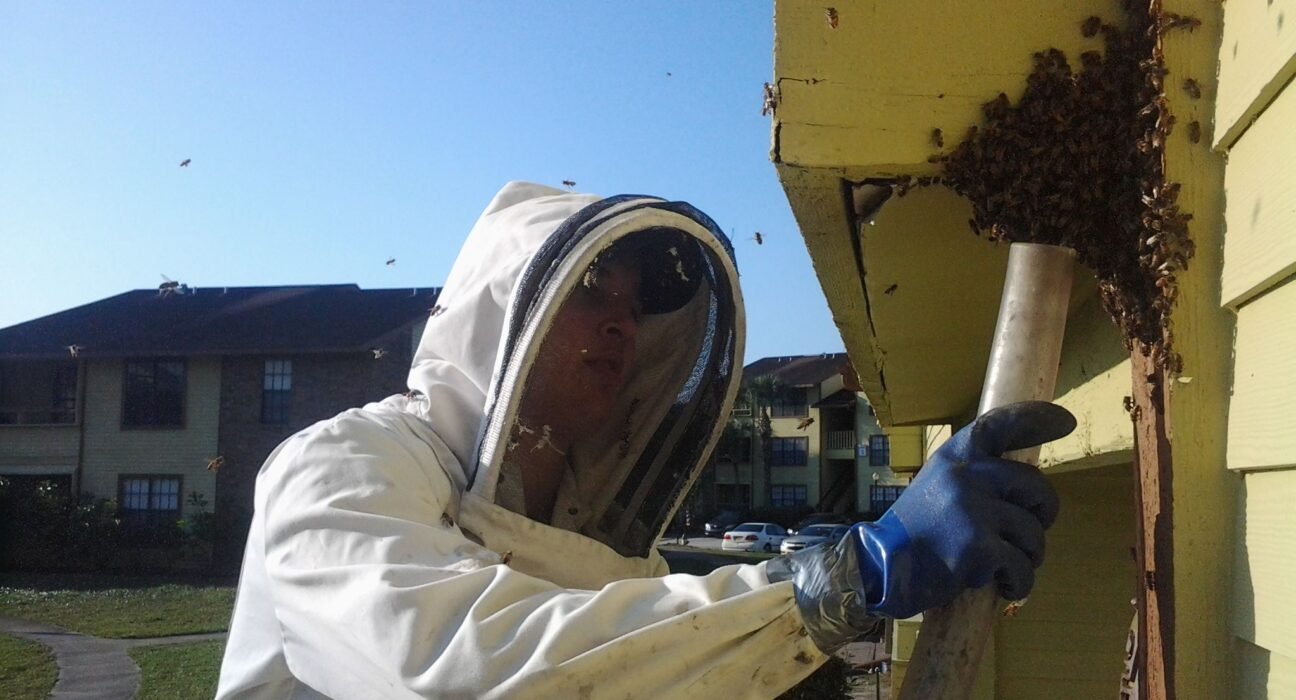
Outdoor landscaping adds beauty, structure, and character to residential properties while creating inviting environments for relaxation and recreation. Features such as decorative pathways, retaining borders, patios, and stone walls often become essential components of modern landscape design because they combine functionality with timeless visual appeal. Despite their durability and aesthetic value, these structures can unintentionally attract nesting insects seeking secure and sheltered environments. Understanding why this occurs helps homeowners respond more effectively while preserving safe and comfortable outdoor spaces.
Many pollinating insects naturally search for small cavities, cracks, and protected openings where they can establish nests safely away from predators and environmental disturbances. Stone surfaces frequently develop narrow gaps between materials over time due to weather exposure, shifting foundations, or aging mortar. These openings provide ideal shelter opportunities, particularly during warmer months when insects become increasingly active.
Sunlight exposure also contributes significantly to attraction patterns around outdoor masonry structures. Warm stone surfaces retain heat efficiently throughout the day, creating stable temperatures favorable for nesting activity. Areas receiving extended sunlight often become especially appealing because warmth supports colony development while protecting insects from sudden environmental changes.
How Nesting Activity Can Affect Structural Integrity and Outdoor Safety
Although many homeowners associate pollinators primarily with gardens and flowering plants, nesting activity within masonry structures may create unexpected concerns involving property maintenance, safety, and long-term durability. Understanding these potential effects allows property owners to address vulnerabilities proactively while minimizing unnecessary environmental harm.
One of the most significant concerns involves gradual structural weakening caused by expanding cracks and shifting materials. When insects repeatedly access small gaps within stone walls, they may contribute to erosion around existing openings over time. Seasonal weather changes combined with moisture exposure can worsen these vulnerabilities, allowing minor damage to evolve into more noticeable structural instability.
Pathways and retaining structures face particular risks because they experience regular pressure from foot traffic, environmental exposure, and soil movement. Loose stones or deteriorating mortar joints may create unstable conditions where nesting activity becomes increasingly difficult to control without professional repairs. As structural gaps widen, insects gain additional opportunities to establish colonies deeper within the masonry.
Safety concerns also increase when nesting occurs near frequently used outdoor spaces. Homeowners, visitors, children, and pets may accidentally disturb active colonies while walking along pathways or relaxing near retaining structures. Unexpected encounters often create anxiety and may lead to defensive insect behavior if colonies feel threatened suddenly.
Maintenance challenges frequently accompany these situations as well. Homeowners attempting repairs without identifying active nests first may unintentionally aggravate insect activity while increasing personal risk. Painting, sealing, pressure washing, or replacing damaged stones near active nesting sites requires caution and awareness to avoid provoking defensive responses from pollinators protecting their colonies.
Practical Prevention Methods for Protecting Stone Walls and Pathways
Preventing nesting activity within outdoor masonry structures requires consistency, attention to detail, and proactive property maintenance habits. Rather than waiting for infestations to become visible, homeowners benefit most from addressing vulnerabilities early while creating conditions less attractive to nesting insects throughout changing seasons. Long-term prevention depends on combining structural care with environmental awareness.
Routine inspections represent one of the most effective prevention strategies available. Homeowners should examine stone walls regularly for cracks, loose mortar, shifting stones, or small cavities developing along surfaces. Identifying these weaknesses early allows repairs before insects establish protected nesting areas inside structural gaps. Seasonal inspections become particularly important following heavy rainfall, extreme heat, or freezing conditions that may accelerate deterioration.
Sealing cracks and damaged mortar joints helps reduce accessible nesting spaces significantly. Durable masonry sealants and professional repointing techniques restore structural stability while limiting protected cavities attractive to insects. Maintaining smooth and secure surfaces not only improves safety but also preserves the appearance and longevity of outdoor landscaping features.
Some property owners experiencing persistent nesting concerns eventually seek specialized guidance regarding humane prevention strategies and structural assessments. Homeowners prioritizing environmentally conscious solutions sometimes consult residential bee removal service in Los Angeles to evaluate recurring activity patterns while receiving recommendations for safe relocation practices and long-term property protection methods.
Preventive maintenance works most effectively when performed consistently rather than reactively. Combining inspections, structural repairs, moisture control, and landscaping awareness helps homeowners reduce nesting risks while preserving beautiful and functional outdoor living spaces successfully.
Safe and Responsible Responses to Existing Bee Activity
Even with careful maintenance and preventive efforts, homeowners may occasionally discover active nesting within masonry structures or surrounding outdoor pathways. Responding responsibly becomes essential for protecting human safety, preserving pollinator populations, and minimizing structural damage. Calm observation and informed decision-making usually produce safer outcomes than rushed or aggressive reactions.
The first step involves evaluating the severity and location of the activity carefully. Occasional pollinator presence near flowering plants does not necessarily indicate an infestation requiring intervention. However, repeated insect movement entering cracks, wall openings, or structural cavities often suggests active nesting that may require closer assessment. Understanding the difference helps homeowners avoid unnecessary alarm while responding appropriately to genuine concerns.
Direct disturbance should always be avoided during active nesting situations. Attempting to remove colonies using sprays, sharp tools, water pressure, or improvised methods may provoke defensive behavior and increase risks significantly. Inexperienced removal efforts also frequently worsen structural damage by disturbing masonry surfaces improperly or leaving hidden nesting materials behind. Many homeowners facing persistent concerns eventually seek guidance from a trusted residential bee removal service in Los Angeles to ensure safe and environmentally responsible relocation practices.
Restricting access around affected areas helps reduce accidental encounters until appropriate action can be taken safely. Families with children or pets should remain cautious around active nesting zones, especially near pathways or recreational spaces experiencing regular daily traffic. Temporary barriers or visual markers may help prevent unintentional disturbances.
Building Long-Term Outdoor Spaces That Discourage Nesting Naturally
Creating sustainable and comfortable outdoor environments requires more than occasional maintenance alone. Long-term protection against nesting activity depends on thoughtful design choices, consistent structural care, and environmental balance supporting both human enjoyment and ecological responsibility. Homeowners who approach landscaping proactively often experience fewer recurring issues while preserving attractive and functional outdoor spaces for years.
Durable construction materials contribute significantly to prevention success over time. High-quality mortar, reinforced retaining structures, sealed joints, and weather-resistant finishes help reduce structural deterioration caused by environmental exposure. Investing in long-lasting masonry repairs often prevents future vulnerabilities that might otherwise attract nesting insects repeatedly.
Routine seasonal care remains equally important. Spring inspections allow homeowners to identify damage caused by winter weather, while summer maintenance helps address moisture concerns and vegetation growth surrounding masonry structures. Autumn cleanup reduces organic debris accumulation, and winter preparation protects surfaces from freezing conditions that may weaken mortar or shift stones gradually.