

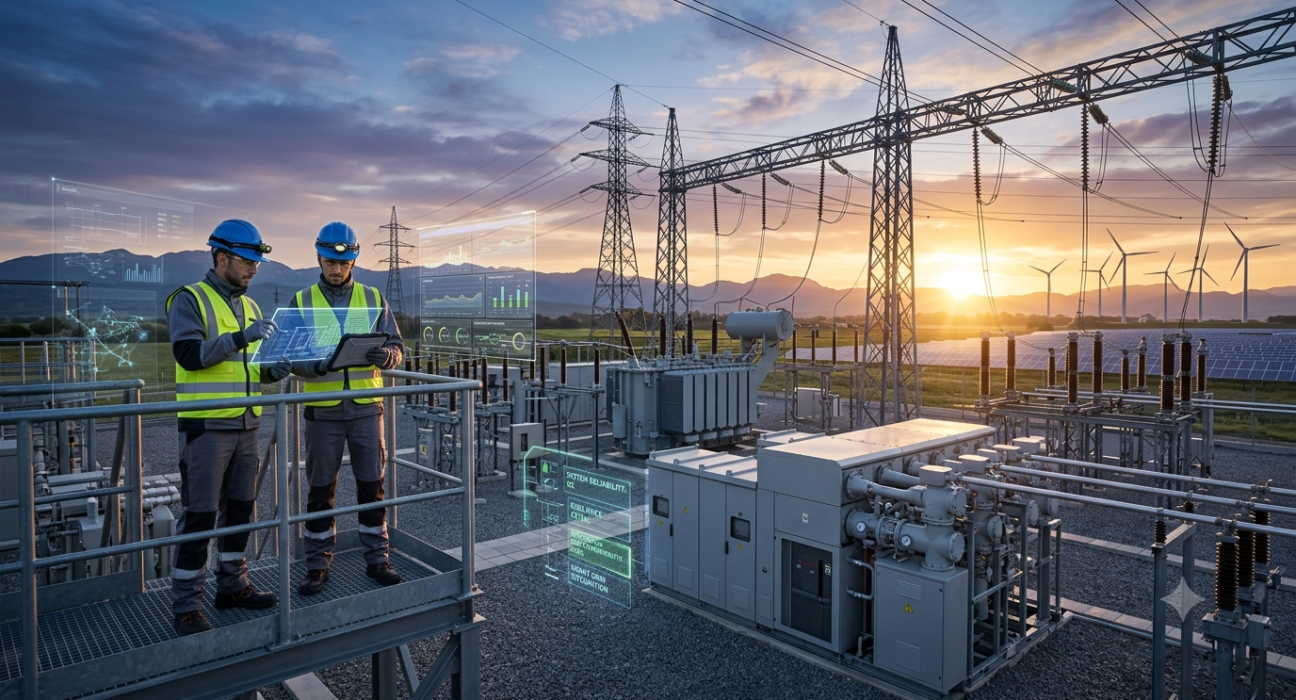
Modern electrical infrastructure depends on more than transformers, switchgear, and transmission lines. The foundation of every reliable substation begins with thoughtful substation civil engineering design. While electrical equipment often receives the most attention, the civil and structural components determine whether a substation can safely support heavy equipment, withstand environmental conditions, and operate efficiently for decades.
From selecting the right site to designing drainage systems and equipment foundations, civil engineering plays a critical role in ensuring uninterrupted power delivery. Combined with effective substation structural engineering design and a carefully planned electrical substation layout, these engineering disciplines create facilities that meet safety standards, simplify maintenance, and support future expansion.
In today’s evolving energy landscape, where utilities must integrate renewable energy sources and modernize aging infrastructure, investing in high-quality substation engineering has never been more important.
The Importance of Substation Civil Engineering Design
Every successful substation project starts with a comprehensive civil engineering plan. Civil engineers evaluate the site’s physical characteristics, environmental conditions, and operational requirements before construction begins.
Key responsibilities include:
- Site grading and earthworks
- Foundation design
- Stormwater management
- Access roads
- Equipment support structures
- Underground utility coordination
- Security fencing and site drainage
Proper substation civil engineering design ensures that heavy electrical equipment remains stable under both normal operating conditions and extreme events such as earthquakes, flooding, or severe storms.
Without proper civil planning, even high-quality electrical equipment can experience premature failures due to soil movement, water damage, or foundation settlement.
Why Substation Structural Engineering Design Is Essential
Electrical substations contain massive transformers, steel structures, bus supports, circuit breakers, and control buildings. These components must safely withstand mechanical loads, wind forces, seismic activity, and electrical fault conditions.
This is where substation structural engineering design becomes indispensable.
Structural engineers design:
- Transformer foundations
- Steel support structures
- Control buildings
- Cable trenches
- Equipment platforms
- Gantries and bus supports
Each structural element is engineered to support long-term operational loads while complying with national and international design standards.
Proper structural engineering also minimizes maintenance costs by preventing cracking, corrosion, foundation movement, and structural fatigue throughout the facility’s lifecycle.
As utilities continue expanding renewable energy connections, structurally resilient substations become even more critical for maintaining grid stability.
Optimizing the Electrical Substation Layout
A well-planned electrical substation layout is one of the most important aspects of modern power system engineering.
The layout influences:
- Equipment accessibility
- Worker safety
- Operational efficiency
- Maintenance scheduling
- Future expansion capability
- Cable routing
- Emergency response
Good layouts maximize available space while maintaining required electrical clearances between energized equipment.
Engineers also consider traffic flow, crane access, cable trench routing, oil containment systems, and fire protection zones.
An optimized layout reduces construction complexity while improving operational reliability over the entire service life of the substation.
As utilities increasingly deploy digital substations and intelligent monitoring systems, flexible layouts also allow easier integration of future technologies.
Civil Engineering Features That Improve Long-Term Reliability
Reliable substations require more than strong foundations. Civil engineering integrates multiple systems that work together to protect critical electrical assets.
Important design features include:
Proper Drainage Systems
Effective drainage prevents standing water around electrical equipment, reducing corrosion and protecting underground cables.
Stable Foundations
Heavy transformers can weigh hundreds of tons. Engineered foundations distribute these loads evenly while minimizing settlement.
Soil Improvement
Poor soil conditions may require stabilization techniques before construction begins, improving long-term structural performance.
Oil Containment Systems
Environmental regulations require containment systems that safely capture transformer oil in the event of leaks.
Access Infrastructure
Well-designed access roads allow maintenance crews and heavy equipment to safely reach all areas of the substation.
Together, these civil engineering elements significantly extend equipment lifespan while reducing unexpected maintenance costs.
Safety and Compliance Through Integrated Engineering
Safety remains the highest priority in every substation project.
Modern substation civil engineering design supports electrical safety by ensuring:
- Safe equipment spacing
- Proper grounding infrastructure
- Fire separation distances
- Secure fencing
- Emergency vehicle access
- Stable working platforms
- Environmental protection measures
Meanwhile, substation structural engineering design ensures that buildings and support structures comply with applicable building codes, seismic standards, and wind loading requirements.
Integrated engineering also helps utilities satisfy environmental regulations, utility specifications, and regional construction standards.
By addressing compliance early in the design process, project teams reduce delays, minimize redesign efforts, and improve construction efficiency.
The Value of Professional Engineering Expertise
Every substation presents unique engineering challenges based on location, voltage level, soil conditions, environmental requirements, and operational goals.
Experienced engineering teams combine civil, structural, and electrical expertise to develop solutions that balance:
- Safety
- Reliability
- Cost efficiency
- Constructability
- Environmental responsibility
- Future scalability
Advanced engineering software, geotechnical analysis, 3D modeling, and multidisciplinary coordination allow engineers to identify potential issues before construction begins.
This proactive approach reduces project risks, minimizes costly changes during construction, and delivers infrastructure that performs reliably for decades.
Professional engineering also supports smoother communication among utilities, contractors, regulatory agencies, and equipment manufacturers, helping projects stay on schedule and within budget.
Conclusion
Reliable electrical infrastructure begins long before equipment is energized. Thoughtful substation civil engineering design, durable substation structural engineering design, and an optimized electrical substation layout create the foundation for safe, efficient, and resilient power systems.
As electrical grids become more complex and demand continues to grow, utilities must prioritize engineering solutions that enhance reliability while supporting future expansion. Investing in comprehensive civil and structural design not only protects valuable equipment but also reduces maintenance costs, improves operational safety, and extends the service life of critical infrastructure.
By partnering with experienced engineering professionals, organizations can develop substations that meet today’s performance expectations while remaining adaptable for tomorrow’s evolving energy landscape.