

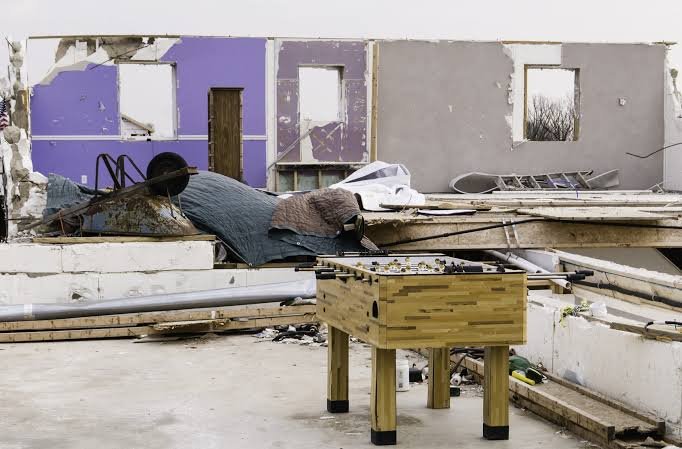
Living in social housing should provide tenants with a sense of stability and security. Local authorities have a strict duty of care to ensure that all properties under their management are safe, dry, and structurally sound. Unfortunately, many council tenants across the city find themselves stuck in a frustrating cycle of ignored repair requests and deteriorating living conditions.
When a local authority fails to maintain its housing stock, tenants often feel helpless against a massive bureaucratic system. However, you possess powerful legal rights as a tenant. Knowing how to properly escalate your issues through formal channels is the key to forcing action and protecting your family.
This detailed guide explains how to effectively handle Cardiff Council complaints when your home falls into serious disrepair and your initial repair requests are ignored.
The Reality of Local Authority Housing Challenges
Managing thousands of public properties across a major city is undeniably a massive logistical task. Local authorities frequently face budget constraints, contractor shortages, and backlog issues that delay routine maintenance. While these internal administrative challenges explain the delays, they never legally excuse a landlord from neglecting a property.
Whether your home is a modern flat or an older terraced build, the local council must fulfill its statutory obligations. When maintenance issues are pushed to the bottom of a waiting list, small problems quickly escalate into major structural hazards.
Tenants should never feel guilty or hesitant about demanding that repairs are completed. You pay your rent on time, and you are legally entitled to a property that meets the fitness standards set out by Welsh housing laws.
Identifying Disrepair in Public Housing
Council tenants face a wide variety of maintenance failures that qualify as actionable housing disrepair. One of the most widespread problems is structural dampness caused by blocked guttering, leaking pipework, or damaged roofing materials.
Other serious issues include faulty electrical wiring, broken entrance locks, cracked windows, and failing heating systems. If your boiler breaks down during the winter and the council takes weeks to send an engineer, this constitutes a major breach of their duties.
Persistent pest infestations, rotten floorboards, and collapsing ceilings are also severe hazards that require immediate intervention. If any of these problems are present in your home, you have valid grounds to escalate the matter.
Why Informal Calls Often Fail to Get Results
When a repair issue first appears, the natural reaction for most tenants is to call the telephone helpline or use an online reporting portal. While this is the correct starting point, relying solely on informal phone conversations often leads to dead ends.
Phone calls are easily forgotten, and call logs can sometimes be misplaced in busy council databases. Without a clear paper trail, it is incredibly difficult to prove exactly when you reported a problem and how long the council has ignored it.
To build an undeniable case, you must transition from casual phone check ins to a structured approach. Every single communication regarding your property repairs must be documented clearly in writing.
The Importance of a Formal Written Record
Before launching into the official council grievance procedure, you need to establish a solid foundation of evidence. Write a formal letter or email that clearly details every outstanding repair issue in your property.
In this correspondence, explain exactly how the disrepair is impacting your daily life, your safety, and your health. Give the local authority a reasonable and specific timeframe to respond and schedule the necessary works. For standard repair issues, a period of fourteen to twenty one days is generally considered fair.
Send this message via email so you have a digital time stamp, or use recorded delivery if you are sending a physical letter. This document serves as vital proof that the landlord was fully aware of the issues but failed to act.
Navigating the Official Grievance Process
If your formal warning letter does not result in a satisfactory repair schedule, you must initiate the official grievance procedure. Local councils have a multi stage process designed to handle grievances from residents.
Stage one involves an internal review by a housing manager who will investigate your report and issue a formal response. If you are unhappy with the outcome or if the repairs are still delayed, you can escalate the matter to stage two. At this stage, a senior director or an independent panel will review your file.
It is crucial to follow these steps precisely and keep copies of all responses you receive. Showing that you have attempted to resolve the issue through the proper council channels strengthens your position significantly if you eventually need to take legal action.
Turning to External Housing Specialists
Many tenants find that navigating multiple stages of local authority bureaucracy is exhausting and stressful. If the internal grievance process stalls or fails to deliver results, you do not have to give up.
Seeking external professional assistance from an independent team like Housing Repair Solutions can completely change the dynamic of your situation. Legal specialists understand the exact statutory duties that local authorities must uphold.
When independent experts step in, they handle the complex communication on your behalf. This takes the pressure off your shoulders and shows the council that you are serious about enforcing your legal rights.
How Disrepair Affects Tenant Wellbeing
Living in a neglected council home takes a heavy toll that goes far beyond the physical damage to the property. The constant stress of fighting for basic repairs can severely damage a tenant’s mental health and emotional wellbeing.
Parents often experience immense anxiety when raising children in cold, damp environments, worrying constantly about long term health consequences. The visual strain of seeing peeling wallpaper, crumbling plaster, and spreading mould makes it impossible to feel comfortable in your own space.
Securing compensation is not just about covering property damage. It is about holding a negligent landlord accountable for the emotional distress and loss of enjoyment you suffered in your home.
The Financial Remuneration You Can Claim
When a public landlord fails to maintain your home, you can claim financial compensation for the ongoing inconvenience. This payout is typically calculated as a percentage of the rent you paid while living with the unresolved disrepair.
You can also seek reimbursement for any personal property that was ruined by the council’s neglect. This includes items like water damaged electronics, mouldy carpets, ruined furniture, and spoiled clothing.
Furthermore, if your energy bills skyrocketed because you had to run expensive portable heaters due to a broken boiler, those extra costs can be recovered. The law aims to put you back in the financial position you would have been in if the repairs had been done on time.
Standing Up for Safe Communities
Escalating your housing issues is about more than just fixing your individual property. It plays a vital role in holding public bodies accountable to the wider community.
When tenants accept substandard conditions without complaining, local housing stock continues to deteriorate. By launching formal complaints and pursuing legitimate compensation claims, you force local authorities to look closely at their maintenance budgets and contractor performance.
Your actions help highlight systemic failures, ultimately encouraging better housing standards for everyone living in public accommodation across the city.