
A stye is a common eyelid problem that can cause pain, redness, swelling, and irritation around the eye. Many people look for gentle ways to support healing while keeping the eye area clean and comfortable. One option that has gained attention is hypochlorous acid for styes, thanks to its ability to cleanse the eyelid without causing unnecessary irritation. Although a stye often improves naturally over time, proper eyelid hygiene can play an important role in recovery. Understanding how hypochlorous acid works, its benefits, and the right way to use it can help support healthy eyelids and reduce discomfort.
What Is Hypochlorous Acid?
The term hypochlorous acid for styes refers to using a naturally occurring substance that is produced by the body’s immune system to help fight bacteria and support healing. In skincare and eye care products, hypochlorous acid is carefully formulated as a gentle cleansing solution designed for sensitive areas.
Unlike harsh disinfectants, hypochlorous acid is known for being non-irritating when properly formulated for eyelid care. This makes it a popular choice for maintaining eyelid hygiene while reducing the buildup of bacteria that may contribute to eyelid problems.
How Does a Stye Develop?
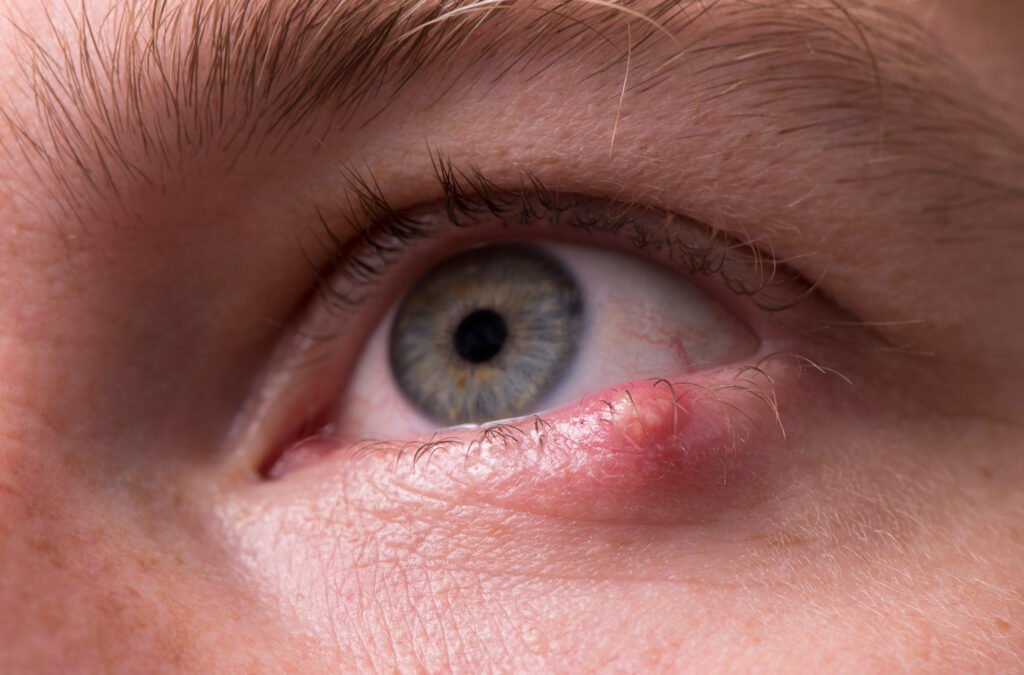
A stye develops when an oil gland near the eyelashes becomes blocked and infected. Bacteria naturally present on the skin can enter the blocked gland, leading to inflammation and swelling.
Common signs include:
-
- A painful bump near the eyelid edge
-
- Redness and swelling
-
- Tenderness when blinking
-
- Increased tearing
-
- Mild sensitivity to light
-
- A feeling that something is stuck in the eye
Good eyelid hygiene is often recommended to support healing and reduce irritation.
Can Hypochlorous Acid Help Clear a Stye?
Many eye care professionals recommend proper eyelid cleansing as part of stye management. Hypochlorous acid for styes may help by reducing bacteria on the eyelid surface and keeping the affected area clean.
Potential benefits include:
-
- Gentle cleansing without excessive irritation
-
- Supporting healthy eyelid hygiene
-
- Reducing bacterial buildup
-
- Helping remove debris around the eyelashes
-
- Providing a soothing feeling for irritated eyelids
-
- Supporting the natural healing process
Although hypochlorous acid supports eyelid cleanliness, it is not considered an instant cure. A stye still needs time to heal naturally.
How to Use Hypochlorous Acid for a Stye
Following the correct routine can improve comfort and support recovery.
-
- Wash hands thoroughly before touching the eye area.
-
- Close the affected eye.
-
- Spray or apply hypochlorous acid onto the eyelid according to product instructions.
-
- Allow the solution to air dry naturally.
-
- Avoid rubbing the eyelid after application.
-
- Repeat as directed on the product label or by an eye care professional.
Consistency is often more helpful than excessive application.
Additional Home Care Tips
Simple daily habits may help reduce discomfort while the stye heals.
-
- Apply a warm compress for 10–15 minutes several times daily.
-
- Keep eyelids clean throughout the day.
-
- Avoid squeezing or popping the stye.
-
- Stop using eye makeup until healing is complete.
-
- Replace old eye makeup after recovery.
-
- Avoid wearing contact lenses if irritation continues.
-
- Wash pillowcases and face towels regularly.
These steps can help maintain cleanliness and reduce the risk of further irritation.
Benefits of Maintaining Good Eyelid Hygiene
Healthy eyelids play an important role in eye comfort. A regular cleansing routine may help reduce bacteria, remove oil buildup, and keep the eyelid margins clean.
Some long-term advantages include:
-
- Improved eyelid comfort
-
- Reduced oil gland blockage
-
- Better eyelash cleanliness
-
- Lower buildup of debris
-
- Healthier eyelid skin
-
- Greater comfort for sensitive eyes
Regular eyelid care can also become part of an overall eye health routine.
When Medical Attention May Be Needed
Although many styes improve within one or two weeks, certain symptoms should not be ignored.
Medical evaluation may be appropriate if:
-
- Pain becomes severe.
-
- Swelling spreads around the eye.
-
- Vision becomes blurry.
-
- The stye continues growing.
-
- Multiple styes develop repeatedly.
-
- No improvement appears after several days of home care.
Prompt evaluation helps determine whether additional treatment is necessary.
Common Mistakes to Avoid
Certain habits may slow healing or worsen irritation.
Avoid:
-
- Popping or squeezing the stye
-
- Sharing towels with others
-
- Touching the eye with unwashed hands
-
- Using expired eye makeup
-
- Wearing contact lenses during active infection
-
- Applying products not intended for eyelid use
Avoiding these mistakes supports a healthier healing environment.
Frequently Asked Questions
How quickly can a stye improve?
Many styes begin improving within several days and often heal within one to two weeks with proper care.
Can hypochlorous acid replace warm compresses?
Warm compresses remain one of the most commonly recommended home treatments. Hypochlorous acid is generally used alongside good eyelid hygiene rather than as a replacement.
Is hypochlorous acid gentle enough for sensitive eyelids?
Products specifically formulated for eyelid care are generally designed to be gentle for sensitive skin when used according to directions.
Can recurring styes be prevented?
Maintaining consistent eyelid hygiene, replacing old cosmetics, and keeping the eye area clean may help reduce the chance of future styes.
Why Choose The bye co. for Everyday Eyelid Care?
Healthy eyelids deserve gentle and consistent care, especially during periods of irritation or recovery. The bye co. focuses on eyelid wellness with thoughtfully designed products created for sensitive eye areas. A quality hypochlorous acid solution can become part of a daily hygiene routine that supports cleaner eyelids and lasting comfort. Simple, effective eyelid care helps reduce debris, supports healthy skin around the eyes, and promotes better overall eye hygiene. Choosing The bye co. means selecting products developed with comfort, cleanliness, and everyday eyelid wellness in mind. Hypochlorous acid for styes remains a valuable addition to a gentle eyelid care routine.