

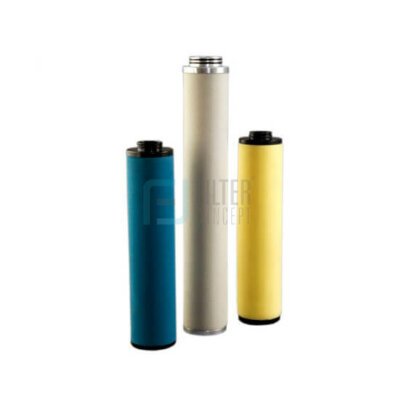
Compressed air would play an important role in many industry sectors – providing power to machines, tools and automated systems. Compressed air quality, however, has a significant impact on the performance of the equipment, quality of product and operating costs. The most efficient air compressors can also contaminate the air with oil, dust, moisture and rust particles. Here, a compressed air filter comes into its own.
When applied correctly a filter will keep the air clean, prolongs equipment life and decreases down time. For any manufacturing, food processing, auto repair, or pharmaceutical production facility, knowing the benefits of compressed air filtration could lead to better productivity and efficiency.
Understand What is a Compressed Air Filter?
Compressed air filter is a filter placed within a compressed air system to get rid of unwanted stuff before the compressed air gets to equipment or produces. The contaminants could be:
Dispersed bits of dust and dirt particles
Oil aerosols, oil vapour
Drops of water and wetness
Rust and pipe scale
Microorganisms in specialized applications
The system filters these impurities, providing cleaner air that helps safeguard pneumatics and guarantee their workability.
So, why is clean compressed air filter important?
Compressed air is a useful item in many industries. If there is any contamination in the air, it can negatively affect the machinery and result in contaminated products. Compressed air is clean, meaning that certain benefits include:
Improved equipment reliability
Reduced maintenance costs
Higher production efficiency
Better product quality
Reduce risk of system failures.
Longer life of pneumatic tools.
The Food and Beverage industry, pharmaceuticals, electronics, automotive, textiles and chemical processing are just some of the industries that need clean compressed air, which is essential to quality and safety.
Learn more about common contaminants found in compressed air filter
Conventional contaminants are present in air which is inhaled into a compressor. During compression the impurities may become more concentrated and can cause operational problems.
Solid Particles
Valves, cylinders and pneumatic tools can become contaminated with dust, dirt, rust, and pipe debris, which can result in excessive wear.
Moisture
Water vapor will always be present in compressed air. This condensation results in rust and bacteria growth and equipment damaging as the air cools down.
Oil Contamination
Oil-lubricated compressors come with oil aerosols and oil vapors added to the compressed air. If there is too much oil in the product, the contamination is likely to cause the products to have lower quality.
Microbial Contamination
Special filtration can be employed to clean the compressed air from bacteria and other microorganisms in critical filtered compressor applications.
Discuss Types of Compressed Air Filters
The required amount of filtration varies from application to application. The most frequently seen are:
Particulate Filters
These are used to remove impurities (solid particles: dust, rust and dirt) from compressed air. They are used as the first filtration step as they are typically used.
Coalescing Filters
Coalescing filters remove extremely fine oil aerosols and water drops through the coalescing action it performs: They convert these drops into larger drops which may be drained away.
Activated Carbon Filters
These filters remove oil vapors, odors and hydrocarbons. They are suitable for use in applications where the compressed air needs to be very clean.
Sterile Filters
In the pharmaceutical, medical and food industry, sterile filters are used to prevent microorganisms in hygienic production.
Understand for Advantages to installing a Compressed Air Filter
There are many operational and cost benefits of the high quality compressed air filters.
Protects Equipment
Avoiding abrasive particles in the valves, actuators, cylinders and pneumatic tools with clean air reduces wear and prolongs equipment life.
Reduces Maintenance
Clearing the contaminants reduces relatively hazardous breakdown and repair expenses. Regularity of maintenance is more predictable.
Improves Product Quality
In industries where compressed air is in direct contact with the product, filtration can help to prevent product contamination and maintain consistent product quality.
Saves Energy
Efficient airflow and a minimum pressure drop are possible with clean filters. This decreases the number of compressors as well as saves energy.
Supports Compliance
The Air Quality standards are rigorous requirements for many industries. Good filtration ensures that industry regulations and quality certifications are met.
Find the right compressed air filter for your application
There are a number of points to consider when choosing the right filter.
Consider:
The minimum recommended air purity.
Airflow capacity
Operating pressure
Working temperature
Nature and concentration of contaminants found.
Industry-specific requirements
In many systems, more than one filter is used, each in succession to impart the desired air quality. The best type of filtration system can be determined by a professional assessment.
Use the following tips to get the best performance from your System.
Filtering will still require regular maintenance even from the best filters.
The following are easy steps to take:
Change filter elements as per manufacturer’s instructions.
Test the filter for pressure drop periodically.
Let any water out of automatic and/or manual drains.
Inspect seals & housings for leaks.
Plan scheduled investigations of the entire compressed air system.
The lack to keep the filters maintained may lead to poor filtration and higher compressor energy consumption.
Compressed Air Filters applications, their uses in industrial process, and their various types
Compressed air filters are used in many industries such as:
Manufacturing plants
Automotive assembly lines
Pharmaceutical production
Food and beverage processing
Chemical manufacturing
Textile industries
Electronics manufacturing
Healthcare facilities & hospitals.
Print & Packaging Productions
Air quality demands for each application are different and can not be overlooked for dependable operations, which is why correct filtration is necessary.
Conclusion
A compressed air filter is more than just an accessory: equipped with the right filter, the equipment is ensured of safety, product quality is optimized and the efficiency of the system is amplified. These filters prevent dust, oil, moisture and microorganisms from contaminating the compressed air, ensure a reliable compressed air supply, lower maintenance expenses and increase the life of the equipment.
It eliminates the need for costly repairs and complicated overhauls by selecting the right type of solution for your compressed air system and performing routine maintenance according to a schedule. Regardless of your utilities, regulatory, or product quality goals, high performance compressed air filters are a worthwhile utility that will provide long-term benefits.
More Blogs – https://americans360.com/