
Imagine managing hundreds of vehicles without knowing where they are, how much fuel they are using, whether drivers are following routes correctly, or if a truck is about to break down in the middle of a delivery.
That was the reality for many fleet-based businesses just a few years ago.
Today, things are changing fast. Companies can now monitor vehicles in real time, optimize routes, reduce fuel costs, track driver behavior, and even predict maintenance issues before they happen — all through connected technology.
This is the power of IoT fleet management systems.
According to recent industry reports, the global fleet management market is expected to exceed $70 billion by 2030, while connected IoT devices worldwide are projected to cross 29 billion devices during the same period. Businesses across logistics, transportation, delivery, manufacturing, and construction industries are rapidly investing in smart fleet technologies to improve efficiency and reduce operational costs.
Fleet management is no longer just about tracking vehicles on a map. Modern IoT systems provide real-time insights that help businesses make smarter decisions, improve driver safety, and deliver better customer experiences.
In this blog, we will explore how IoT fleet management systems actually work, the technologies behind them, their major benefits, common challenges, and why businesses are increasingly adopting connected fleet solutions.
What Is an IoT Fleet Management System?
An IoT fleet management system is a connected technology platform that helps businesses monitor, manage, and optimize their vehicles using internet-connected devices.
The term IoT stands for Internet of Things, which means physical devices connected to the internet that can collect and exchange data.
In fleet management, these connected devices are installed inside vehicles and used to track:
- Vehicle location
- Fuel consumption
- Driver behavior
- Engine health
- Route efficiency
- Vehicle speed
- Maintenance requirements
All this information is sent to a centralized software platform where fleet managers can monitor operations in real time.
How IoT Fleet Management Systems Actually Work
IoT fleet management systems may sound complex, but the process is actually quite simple when broken down step by step.
1. Sensors and IoT Devices Collect Data
The first step involves installing IoT devices and sensors inside vehicles.
These devices gather information from different parts of the vehicle.
Common Data Collected
- GPS location
- Vehicle speed
- Fuel usage
- Tire pressure
- Engine performance
- Brake condition
- Driver behavior
- Temperature for cold storage vehicles
For example:
A delivery truck may have sensors that monitor engine temperature and fuel levels while tracking its live location.
2. Data Is Sent Through Internet Connectivity
Once the sensors collect data, the information is transmitted through:
- Cellular networks
- Wi-Fi
- Satellite communication
- Cloud-based systems
The data is continuously sent to a centralized fleet management platform.
This allows managers to access real-time information from anywhere.
3. Cloud Platforms Store and Process Information
The collected data is stored securely in cloud servers.
Cloud platforms help businesses:
- Manage large amounts of data
- Access reports remotely
- Scale operations easily
- Improve system flexibility
The cloud system processes the incoming information and converts it into useful insights.
4. Fleet Management Software Displays Insights
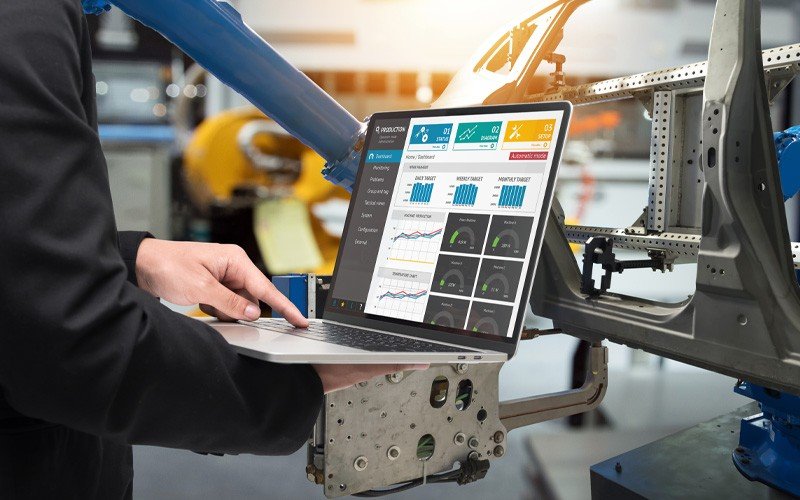
Fleet managers use dashboards and software platforms to view the collected data.
The software displays:
- Live vehicle locations
- Route updates
- Driver performance
- Fuel reports
- Maintenance alerts
- Vehicle health information
Managers can quickly identify problems and make faster operational decisions.
For example:
If a truck suddenly stops unexpectedly, the system immediately alerts the fleet manager.
5. Automated Alerts and Notifications Improve Decision-Making
One of the biggest advantages of IoT fleet systems is automation.
The software can automatically send alerts for:
- Engine failures
- Excessive speeding
- Unauthorized vehicle usage
- Delayed deliveries
- Fuel theft
- Maintenance needs
This helps businesses respond quickly before small issues become expensive problems.
Real-Time GPS Tracking Improves Fleet Visibility
GPS tracking is one of the core features of IoT fleet systems.
Fleet managers can monitor vehicle movements in real time.
Benefits of GPS Tracking
- Improved route planning
- Faster delivery management
- Better customer updates
- Reduced fuel waste
- Increased security
For logistics companies, real-time visibility helps improve delivery accuracy and customer satisfaction.
Customers can also receive accurate estimated delivery times.
Predictive Maintenance Helps Prevent Breakdowns
Vehicle breakdowns can create major delays and financial losses.
IoT systems help reduce this problem through predictive maintenance.
How Predictive Maintenance Works
Sensors monitor vehicle health continuously.
The system can detect:
- Engine issues
- Battery problems
- Brake wear
- Tire pressure changes
before major failures happen.
Instead of waiting for a vehicle to break down, businesses can schedule maintenance early.
This reduces:
- Unexpected downtime
- Repair costs
- Delivery delays
Fuel Management and Cost Reduction
Fuel is one of the largest expenses in fleet operations.
IoT fleet systems help businesses monitor fuel usage more accurately.
The System Tracks
- Fuel consumption patterns
- Idle time
- Route inefficiencies
- Aggressive driving behavior
This helps businesses reduce unnecessary fuel usage.
For example:
If drivers leave engines running unnecessarily, the system identifies excessive idling and alerts managers.
Over time, this can save businesses significant operational costs.
Driver Safety and Behavior Monitoring
Driver behavior has a major impact on:
- Fuel efficiency
- Vehicle maintenance
- Road safety
- Insurance costs
IoT systems help monitor:
- Harsh braking
- Rapid acceleration
- Speeding
- Distracted driving
- Excessive idling
Fleet managers can use this information to:
- Improve driver training
- Reduce accidents
- Encourage safer driving habits
Safer driving also helps businesses lower insurance expenses.
Industries Using IoT Fleet Management Systems
IoT fleet systems are now used across multiple industries.
Logistics and Transportation
Used for shipment tracking and route optimization.
Construction
Helps manage heavy equipment and field vehicles.
Delivery Services
Supports real-time delivery tracking.
Public Transportation
Improves bus and transit management.
Cold Chain Logistics
Monitors temperature-sensitive deliveries like food and medicine.
Connected fleet systems are becoming essential for businesses that rely heavily on transportation operations.
Challenges Businesses Face with IoT Fleet Systems
Although IoT fleet systems offer many advantages, businesses also face challenges during implementation.
High Initial Setup Costs
Installing sensors, devices, and software platforms may require significant investment.
Data Security Concerns
Connected systems can become targets for cyberattacks if security measures are weak.
Businesses must protect operational data carefully.
Internet Connectivity Issues
Fleet systems rely heavily on internet connectivity.
Poor network coverage can sometimes affect data transmission.
Employee Resistance
Drivers and staff may initially resist monitoring systems due to privacy concerns.
Businesses need proper communication and training during adoption.
The Future of IoT Fleet Management
Fleet management technology is evolving rapidly.
Several innovations will shape the future of connected fleet operations.
Artificial Intelligence Integration
AI will improve:
- Route optimization
- Predictive maintenance
- Fuel efficiency analysis
Autonomous Vehicles
Self-driving fleet vehicles may become more common in the future.
5G Connectivity
Faster internet speeds will improve real-time communication between vehicles and systems.
Advanced Analytics
Businesses will gain deeper operational insights through smarter data analysis tools.
The future of fleet management will become increasingly automated, intelligent, and data-driven.
Important Figures and Statistics
Here are some key numbers showing the growth of connected fleet technology:
| Statistic | Figure |
|---|---|
| Expected global fleet management market by 2030 | $70+ billion |
| Connected IoT devices worldwide by 2030 | 29+ billion |
| Fuel cost reduction through fleet optimization | Up to 20% |
| Reduction in vehicle downtime through predictive maintenance | Up to 50% |
| Businesses investing in connected fleet technologies | 65%+ |
These numbers show how quickly businesses are adopting IoT-powered fleet solutions.
Conclusion
IoT fleet management systems are transforming how businesses monitor, manage, and optimize vehicle operations. By combining connected sensors, cloud platforms, GPS tracking, and real-time analytics, these systems help companies improve efficiency, reduce operational costs, enhance driver safety, and deliver better customer experiences.
From predictive maintenance and fuel optimization to route planning and real-time monitoring, IoT technologies are helping businesses move from reactive fleet management to proactive decision-making. As industries continue embracing digital transformation, connected fleet systems are becoming essential for companies that rely on transportation and logistics operations.
Although challenges like cybersecurity, setup costs, and connectivity issues still exist, the long-term benefits of smart fleet technologies continue driving adoption across industries worldwide.
Businesses looking to build scalable and future-ready transportation ecosystems are increasingly investing in advanced IoT Fleet Management Software to improve operational visibility, automate workflows, and support long-term business growth.