

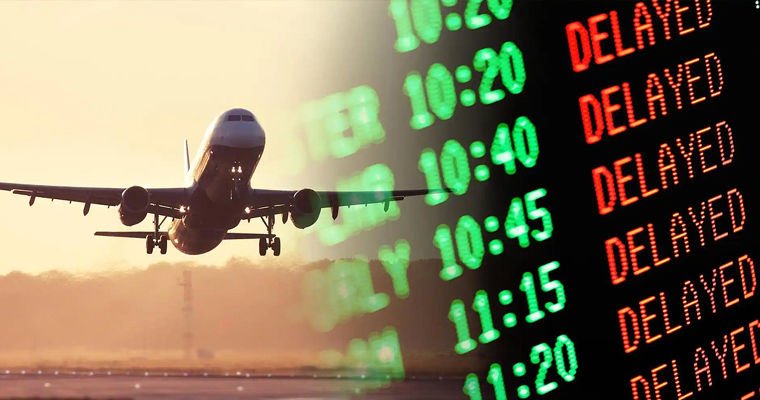
The United States air travel infrastructure is currently buckling under the weight of an unprecedented crisis. As the partial government shutdown affecting the Department of Homeland Security (DHS) stretches through March 2026, the aviation network is facing a perfect storm of political gridlock, severe staffing shortages, and a heartbreaking fatal accident.
From multi-hour security lines and frozen federal funding to the emergency deployment of immigration agents and a catastrophic runway collision at New York’s LaGuardia Airport, the U.S. travel system has been pushed to its absolute breaking point.
Here is a comprehensive breakdown of the escalating DHS air-travel crisis and how it is impacting airports nationwide.
The DHS Shutdown: Frozen Funding and Crippling Security Lines
The root of the current logistical nightmare stems from a congressional standoff that allowed DHS funding to lapse on February 14, 2026. While the political debate centers on immigration enforcement and border policies, the operational fallout has landed squarely on the shoulders of the Transportation Security Administration (TSA).
- Working Without Pay: Because TSA officers are classified as essential personnel, they are required to report to work despite not receiving a paycheck for over a month.
- Mass Absenteeism and Resignations: The prolonged financial strain has resulted in a massive staffing shortage. Recent data indicates that daily call-out rates have spiked to nearly 12%, with hundreds of TSA agents resigning from the agency entirely to seek reliable income.
- Skyrocketing Wait Times: Travelers at major hubs—such as Atlanta’s Hartsfield-Jackson and Houston’s George Bush Intercontinental—have reported waiting up to six hours just to clear security. The unpredictable bottlenecks have led to thousands of missed flights and massive terminal overcrowding.
Emergency Measures: Trump Deploys ICE Agents to Airports
To mitigate the crippling delays at TSA checkpoints, President Donald Trump initiated a highly controversial emergency measure in late March: deploying armed Immigration and Customs Enforcement (ICE) agents to major U.S. airports to assist with security operations.
This directive has introduced a complex dynamic to the airport environment:
- Funding Discrepancies: Unlike TSA screeners, ICE operations remain funded through prior, multi-year legislative appropriations. This creates a stark contrast at the checkpoints, where paid immigration officers are working alongside unpaid TSA personnel.
- Operational Roles: ICE agents are primarily tasked with handling peripheral duties—such as guarding exit lanes and verifying passenger identification—to free up the remaining TSA staff for specialized baggage and passenger screening.
- Industry Backlash: Aviation unions and civil liberties groups have strongly criticized the deployment. The American Federation of Government Employees has pointed out that ICE agents do not possess the months of rigorous, specialized aviation security training required to operate airport checkpoints effectively, warning that the move could create security gaps rather than close them.
Tragedy at LaGuardia: Fatal Runway Collision Compounds the Chaos
While the administrative and security apparatus was already in a state of paralysis, a devastating physical disruption struck the East Coast airspace, heavily compounding the nationwide travel chaos.
On the night of Sunday, March 22, an Air Canada Express CRJ-900 passenger jet collided with a Port Authority fire truck while landing on an active runway at New York’s LaGuardia Airport (LGA).
- Loss of Life: The horrific crash killed the two young pilots, Antoine Forest and Mackenzie Gunther. Survivors and aviation experts have credited the pilots with acting heroically in their final moments, reportedly engaging the aircraft’s reverse thrust at the last second to save the lives of the 72 passengers and four crew members on board. Dozens were injured, including a flight attendant who was ejected from the aircraft.
- System Failure: The National Transportation Safety Board (NTSB) is actively investigating the incident. Preliminary audio recordings reveal a catastrophic breakdown in communication between the control tower and ground vehicles. Note: While air traffic controllers are still being paid during the partial shutdown, experts warn that the general climate of systemic strain and resource depletion leaves the aviation network highly vulnerable.
- Massive Disruptions: The collision forced LaGuardia to completely shut down its operations for nearly 14 hours. This sudden closure triggered the cancellation of more than 500 flights, sending a massive ripple of delays across an already fragile national grid.
The Ripple Effects: Airlines Suspend VIP Perks
With ordinary travelers and uncompensated federal workers bearing the brunt of the crisis, the airline industry is taking a stand against VIP privileges. In response to the escalating turmoil, major carriers like Delta Air Lines have officially suspended special fast-track security escorts for members of Congress.
Airlines have deemed these traditional courtesies “operationally unsustainable” during the shutdown, signaling that the system simply cannot afford to prioritize political figures while everyday operations remain in a state of gridlock.