
So, you’ve finally booked that dream ticket. You’re about to sip espresso in Rome, wander the canals of Amsterdam, or hike the Swiss Alps. But before you can post that first Instagram story, you have to conquer the dreaded beast: the suitcase.
I’ve been there. My first time backpacking Europe, I made every rookie mistake in the book. I dragged a massive, wheeled suitcase over the cobblestones of Prague (spoiler: the wheels broke). I packed high heels for a walking tour of Paris (my feet haven’t forgiven me). Over years of crisscrossing the continent, I’ve refined my strategy down to a science.
This isn’t just a list of stuff; it’s a strategy guide. Whether you are staying in hostels or luxury hotels, this guide will cover what to pack for Europe trip so you can focus on the memories, not the baggage fees. Let’s dive into the ultimate Europe travel checklist.
The Golden Rule: Pack Light, Move Fast
If you take only one thing away from this article, let it be this: Pack light.
The best way to tour Europe is often by train and budget airlines. European trains have narrow aisles, and budget airlines like Ryanair or EasyJet have strict luggage policies that will charge you more than the cost of your ticket if your bag is too heavy. Plus, many European hotels (especially the charming historic ones) do not have elevators. Do you really want to haul a 50-pound bag up five flights of stairs in the Barcelona heat?
Your goal is a “carry-on only” lifestyle. It sounds scary, but it offers freedom. You can hop off a train and walk straight to your hostel without needing a locker. You skip the baggage claim carousel. You eliminate the risk of lost luggage.
Choosing Your Luggage: Backpack vs. Rolling Suitcase
Before we get to what goes inside, let’s talk about the container.
The Travel Backpack
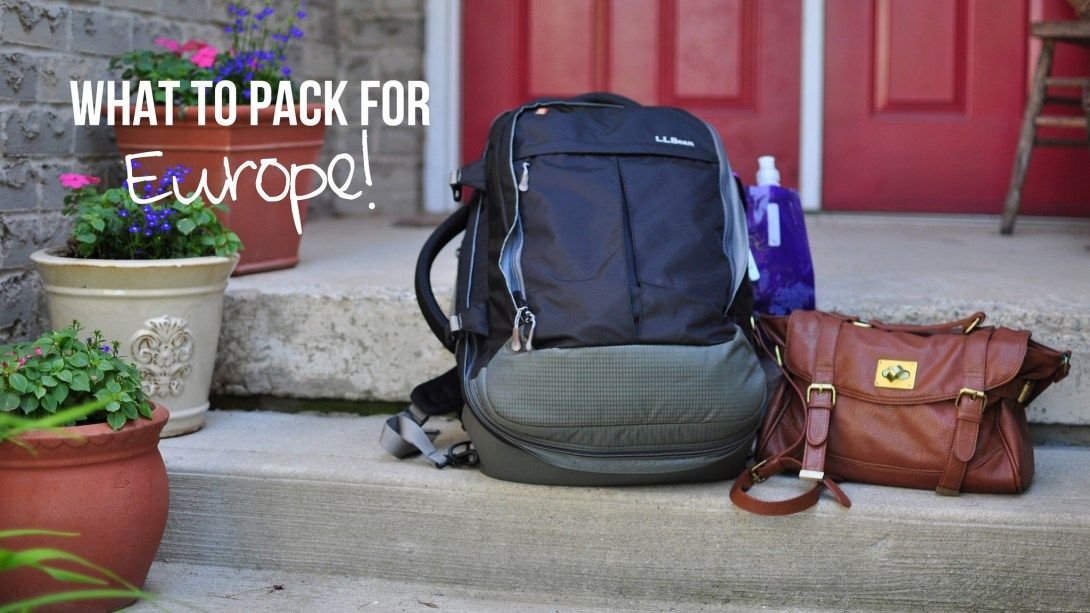
If you plan on backpacking Europe, moving locations every 2-3 days, or taking lots of trains, a backpack is superior. Look for a travel-specific backpack (around 40L-45L size) that opens like a suitcase (clamshell opening) rather than a top-loading hiking bag. This makes organizing your Europe travel essentials much easier.
The 4-Wheeled Spinner
If you are sticking to one or two cities and taking taxis to your hotel, a rolling suitcase is fine. Just make sure it is durable. Cobblestones destroy cheap wheels.
Clothing: The Capsule Wardrobe Strategy
The secret to a great packing list for Europe is a capsule wardrobe. This means every top should match every bottom. Stick to neutral colors—black, navy, white, gray, and tan—and add pops of color with scarves or accessories. This allows you to create 20 outfits from just 10 items.
Tops and Layers
When considering travel clothes for Europe, think about fabrics. Cotton takes forever to dry and wrinkles easily. Merino wool and synthetic blends are your best friends. They are breathable, moisture-wicking, and odor-resistant.
- 4-5 T-Shirts/Tops: Bring a mix of short and long sleeves depending on the season.
- 1 Dress Shirt/Blouse: Europeans tend to dress a bit smarter than Americans. Having one nice top is crucial for dinner or visiting churches (shoulders must be covered in places like the Vatican).
- 1 Lightweight Sweater/Cardigan: Even in summer, evenings can get breezy, and airplanes are always freezing.
Bottoms
- 2 Pairs of Pants: Dark jeans look stylish and hide stains well. Performance chinos are also great because they dry quickly.
- 1 Pair of Shorts/Skirt: If you are traveling in summer, you’ll need these. However, be aware that in some religious sites, shorts above the knee are not allowed.
The Importance of the Jacket
The best travel jacket is one that is versatile. For most of the year, a packable down jacket or a high-quality rain shell is essential. If you are visiting in the shoulder season (spring/autumn), a trench coat is a stylish option that blends in with the locals. Ensure it is waterproof. European weather is unpredictable, especially in London, Paris, and Amsterdam.
Footwear: The Make-or-Break Item
I cannot stress this enough: Your trip depends on your feet. You will likely walk 15,000 to 20,000 steps a day.
Do not bring brand-new shoes you haven’t broken in. Do not bring shoes that pinch. The most comfortable shoes for travel are usually high-quality walking sneakers or supportive leather boots.
- Walking Sneakers: Brands like Allbirds, Vessi, or classic Adidas Stan Smiths are popular because they look good with jeans but offer arch support.
- Comfortable Sandals/Boots: In summer, a sturdy sandal (like Birkenstocks) is great. In winter, waterproof leather boots are a must.
- Flip Flops: Only for hostel showers or the beach. Do not wear these sightseeing; your feet will hurt, and you will look like a confused tourist.
Toiletries and Hygiene: The TSA Challenge
If you are carrying on, you are limited to the 3-1-1 liquid rule (100ml containers). This is actually a blessing. You don’t need a giant bottle of shampoo for a two-week trip.
- Solid Toiletries: Solid shampoo bars, solid perfume, and bar soap save space and don’t count toward your liquid limit.
- Microfiber Towel: If bringing backpacking Europe is your main query, add a quick-dry towel. Hostels charge for linens, and these dry in hours.
- Hanging Toiletry Bag: European bathrooms can be tiny with zero counter space. A bag with a hook keeps your stuff dry and organized.
Tech and Electronics
You don’t need to bring your entire home office. Keep it simple.
- Universal Travel Adapter: Europe uses different plugs (Type C, E, F in the continent, Type G in the UK). Get an all-in-one adapter with USB ports so you can charge your phone and camera simultaneously.
- Power Bank: Using Google Maps and taking photos drains your battery fast. A 10,000mAh power bank is a lifesaver when you are lost in Venice at 10 PM.
- eSim: Instead of buying expensive roaming plans, download an eSim app (like Airalo) before you leave. It’s the cheapest way to get data.
Table 1: The Essential Clothing Breakdown
Here is a quick reference guide to the clothing you should pack for a standard 2-week trip.
| Category | Item Description | Quantity | Notes |
| Tops | Merino Wool T-Shirt | 3 | Odor resistant, re-wearable |
| Tops | Button-down / Blouse | 1 | For nice dinners/museums |
| Bottoms | Dark Jeans | 1 | Versatile, hides dirt |
| Bottoms | Lightweight Chinos | 1 | Quick drying |
| Outerwear | Rain Shell | 1 | Waterproof and windproof |
| Outerwear | Mid-layer Fleece | 1 | For warmth on planes |
| Shoes | Walking Sneakers | 1 | Wear these on the plane |
| Shoes | Nice Flats / Boots | 1 | Pack inside bag |
Organization: Packing Cubes
If you aren’t using packing cubes, you are wasting space. Packing cubes compress your clothes and organize your bag. You can have one cube for tops, one for bottoms, and one for underwear. When you arrive at your hotel, you just pull out the cubes. It turns your backpack into a set of drawers. This is arguably the best way to tour Europe without your bag exploding into a mess every time you need a fresh pair of socks.
Documents and Money
- Passport: Ensure it is valid for at least 6 months past your travel dates.
- Travel Insurance: Don’t skip this. If you get sick or your flight is canceled, this saves you thousands.
- Credit Cards: Bring cards with no foreign transaction fees. Visa and Mastercard are widely accepted. American Express is often rejected in smaller shops.
- Cash: Always carry some Euros (or local currency). Many small cafes in Germany or Italy still prefer cash.
Table 2: Gear & Gadgets Checklist
| Category | Item | Importance |
| Tech | Universal Adapter | High |
| Tech | Power Bank (10k mAh) | High |
| Tech | Noise Cancelling Headphones | Medium |
| Hygiene | Solid Shampoo Bar | High |
| Hygiene | First Aid Kit (Blister pads!) | High |
| Security | Cable Lock | Medium |
| Misc | Reusable Water Bottle | High |
| Misc | Tote Bag (for groceries) | Medium |
Seasonal Adjustments: Summer vs. Winter
Your packing list for Europe needs to shift based on the calendar.
Summer (June – August)
It gets hot. Many older buildings and budget hotels do not have air conditioning.
- Pack: Linen shirts, sun hat, sunglasses, high-SPF sunscreen.
- Leave: Heavy denim, thick boots.
Winter (November – March)
It gets dark early and can be damp.
- Pack: Thermal base layers (wear them under your jeans), wool socks, a beanie, scarf, and gloves. A waterproof coat is non-negotiable.
- Leave: Shorts, flimsy sandals.
What NOT to Pack
To truly master what to pack for Europe trip, you must know what to leave behind.
- Hair Dryers: The voltage difference (110V vs 220V) will likely fry your American hair dryer. Most hotels provide them.
- Too Many Valuables: Leave expensive jewelry at home. It makes you a target for pickpockets.
- Books: They are heavy. Download the Kindle app on your phone or bring an e-reader.
Final Thoughts on Your Europe Adventure
Packing for Europe doesn’t have to be a headache. It is the first step of your journey. By sticking to this Europe travel checklist, using a capsule wardrobe, and prioritizing the most comfortable shoes, you are setting yourself up for success.
Remember, you can buy almost anything in Europe. If you forget a toothbrush, they have pharmacies. If you need a warmer sweater, you have a great excuse to go shopping in Milan or London.
Pack light, travel safe, and enjoy the adventure of a lifetime!
Frequently Asked Questions (FAQ)
Q: What is the best luggage size for a 2-week Europe trip?
A: A 40L to 45L carry-on backpack is ideal. It fits overhead bins and is easy to carry on trains.
Q: Do I really need packing cubes?
A: Yes! They compress clothes and keep your bag organized, which is essential when moving between cities.
Q: Can I wear leggings in Europe?
A: Yes, leggings are common for travel days and casual sightseeing. However, try to dress them up with a long shirt or sweater to blend in better with local styles.
Q: What kind of bag should I use for daily sightseeing?
A: A cross-body bag or a small anti-theft daypack is best. It keeps your hands free and your valuables secure in front of you.