

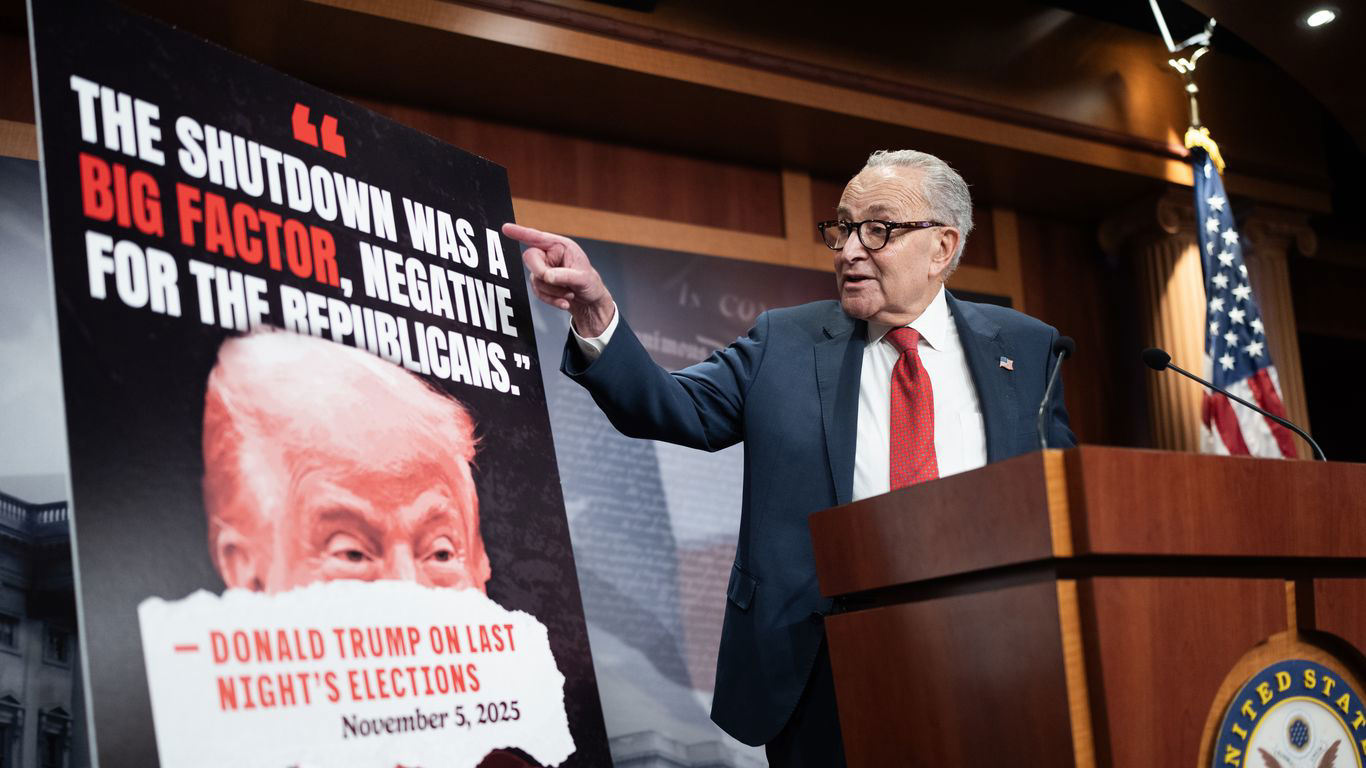
Is the U.S. government facing another shutdown? While the record-breaking 43-day closure of late 2025 has ended, a critical new deadline is approaching. Here is the latest schedule for congressional votes and what federal employees need to know.
Currently, the government is open because of a deal that lasts until January 30, 2026. This means that if you are looking for the “reopening” vote, it actually happened on November 12, 2025. However, the next series of high-stakes votes to keep the doors open is happening right now in January. Congress is racing against the clock to pass 12 different spending bills so we don’t end up in the same mess we were in just a few months ago.
Understanding Why the Government Shuts Down
A government shutdown happens when Congress fails to pass funding bills needed to keep federal agencies running. Each year, lawmakers must approve 12 appropriations bills to fund the government. If they do not, Congress usually passes a short-term fix called a continuing resolution (CR).
When neither full funding nor a CR is approved, the government shuts down.
This is not rare. Over the past few decades, shutdowns have become more common because Congress is deeply divided. Political fights often delay agreements, even when deadlines are clear.
The Current Situation: A Tale of Two Packages
Right now, the Senate and the House are using a “minibus” strategy. Instead of one giant bill that no one has time to read, they are grouping smaller bills together.
- The Good News: On January 15, 2026, the Senate passed a major three-bill package with a huge bipartisan vote of 82-15. This funded science, justice, and the environment through the rest of the year.
- The Bad News: There are still six big bills left. These include the “tough” ones like Defense and Homeland Security.
If these aren’t voted on and passed by January 30, we could see a partial shutdown. This would mean some parts of the government stay open while others close their doors.
Key Deadlines and Voting Dates
To help you keep track, I’ve put together two tables. The first shows what has already happened, and the second shows the “danger dates” we are approaching.
Table 1: Recent Legislative Progress
| Date | Action Taken | Result |
| Nov 12, 2025 | 43-Day Shutdown Ends | Government reopens until Jan 30, 2026 |
| Jan 8, 2026 | House ACA Vote | House passes 3-year health subsidy extension |
| Jan 14, 2026 | House Funding Vote | House passes two-bill package (State/Treasury) |
| Jan 15, 2026 | Senate Funding Vote | Senate passes three-bill package (Science/Justice/Environment) |
Table 2: Upcoming High-Risk Deadlines
| Date | Expected Event | What’s at Stake? |
| Jan 18, 2026 | Compromise Release | Negotiators reveal final bill text |
| Jan 20–23, 2026 | Senate Debate | Filibuster risks on Defense and Homeland Security bills |
| Jan 26–29, 2026 | Final Floor Votes | The “must-pass” window to avoid a shutdown |
| Jan 30, 2026 | Midnight Deadline | Funding expires for remaining agencies, risk of partial shutdown |
When is the next vote to reopen the government?
As of January 19, 2026, the next major Senate vote is expected during the week of January 20–26. While the government is technically “open” right now, these votes are what prevent it from closing again.
Senate Majority Leader John Thune and Minority Leader Chuck Schumer are working on a “contingency plan.” If they can’t agree on the big bills (like the one for the Department of Defense), they might have to pass another “Continuing Resolution” (CR). A CR is like hitting the snooze button on an alarm clock—it keeps the government running at current levels for a few more weeks so they can keep arguing.
Why Is This Vote So Complicated?
You might wonder why they can’t just agree and move on. There are three big “sticking points” making this month very stressful for lawmakers:
- The ACA Subsidy Fight: Millions of Americans saw their health insurance premiums spike on January 1 because subsidies expired. Democrats want these back, but some Republicans are hesitant.
- The “Clawbacks”: President Trump has asked to take back (or “rescind”) billions of dollars that were already promised to various programs. This is a huge point of contention in the Senate.
- Homeland Security & ICE: A recent tragic shooting involving an ICE officer in Minnesota has made the Homeland Security bill very controversial. Democrats are demanding reforms before they agree to fund the agency.
Why the Senate Vote Matters So Much
Many people ask why the Senate gets so much attention during a shutdown. The answer is simple.
The Senate:
- Must approve funding bills passed by the House
- Needs 60 votes to move most spending bills forward
- Can delay or block action through procedural rules
Even if the House passes a bill, it cannot reopen the government unless the Senate also votes yes. That is why headlines often focus on when is the next Senate vote to reopen the government, not just any vote.
Current Funding Deadline and Pressure on Congress
Right now, the government is operating under temporary funding that expires January 30. This deadline is critical. If Congress does not act before then, another shutdown becomes very real.
Only a few funding bills have passed so far. The remaining bills are stuck due to:
- Disputes over healthcare subsidies
- Policy disagreements
- Limited legislative days
- Election-year pressure
Lawmakers are returning to Washington with very little time to finish the job.
What Is Slowing Down the Senate?
Several key issues are making negotiations harder.
1. Healthcare Subsidies
Affordable Care Act subsidy extensions are expiring. Some lawmakers want them renewed. Others strongly oppose linking them to funding bills. This fight already caused a long shutdown before and could do so again.
2. Limited Senate Days
The Senate only has about 15 working days in January. That is not much time to debate, amend, and vote on nine major funding bills.
3. House–Senate Disagreements
Even if the Senate passes a funding package, the House must agree. If the Senate changes a House bill, it goes back for another vote. That takes time.
A Human Perspective: Why This Matters to You
It’s easy to get lost in the “political theater,” but these votes have real-world impacts. For the 20 million people who rely on the Affordable Care Act, the lack of a vote means their monthly bills could double or triple. For federal workers, it’s the anxiety of not knowing if they can pay their mortgage in February.
The record 43-day shutdown showed us that these delays aren’t just about numbers on a page—they are about national parks closing, airport lines getting longer, and families struggling.
Tips for Staying Updated
Since the schedule in Washington changes every hour, here is how you can stay ahead:
- Watch the “Cloture” Votes: In the Senate, they usually need 60 votes to move a bill forward. If you see a vote get 60+ supporters, that’s a great sign.
- Check the Friday Deadlines: Congress loves to wait until the last minute. Most major “save the day” votes happen late on Thursday or Friday nights.
- Follow the “Minibus”: Instead of looking for one big bill, keep an eye out for smaller groups of 2 or 3 bills being passed at once.
FAQs for “When is the next Senate vote to reopen the government?”
Is the government currently shut down in 2026?
No, the government is currently open. A 43-day shutdown ended on November 12, 2025. However, the funding that reopened the government is temporary. Most federal agencies are only funded through January 30, 2026, which is why the next round of votes is so critical.
When is the next Senate vote to prevent a shutdown?
The next major Senate votes are expected between January 20 and January 29, 2026. While the House has already started passing “minibus” packages, the Senate must vote on the remaining six bills—including Defense and Homeland Security—before the January 30 deadline at midnight.
What happens if the Senate doesn’t vote by January 30?
If a vote isn’t held or fails, a partial shutdown will begin on January 31. This would impact the departments of Defense, Homeland Security, and State. Agencies like Agriculture and Veterans Affairs are already funded through the end of the year and would remain open.
Will I lose my ACA health insurance subsidies if the vote fails?
The enhanced Affordable Care Act (ACA) subsidies technically expired on January 1, 2026. This has caused premiums to rise for 20 million people. Democrats are currently using the upcoming funding vote as leverage to force a separate vote on extending these subsidies for another three years.
How is this vote different from the one in November?
The November vote was a “stopgap” (Continuing Resolution) to get people back to work. The January votes are for full-year appropriations. This means Congress is trying to set the budget for the rest of 2026 rather than just kicking the can down the road again.
Are federal employees guaranteed back pay for the next potential shutdown?
Yes. Under the Government Employee Fair Treatment Act, federal workers are guaranteed to be paid for any time they are furloughed once the government reopens. However, they will not receive paychecks during the lapse in funding.
What is a “minibus” bill, and why are they using it for the January votes?
Instead of one giant “omnibus” bill that contains all 12 spending bills, leadership is using “minibuses”—smaller packages of 2 or 3 bills at a time. This is intended to make the voting process faster and more transparent, though it has faced delays in the Senate.
Final Take: Stay Informed
While the question “when is the next vote to reopen the government” usually implies a crisis, we are currently in a “preventative” phase. The next two weeks will determine if the lessons of the 2025 shutdown were learned or if we are headed for another round of “vindictive chaos,” as some senators have called it.
Keep an eye on the news between January 26 and January 30. That is the “red zone” where the most important votes will happen.
Would you like me to create a simplified checklist of which government services are currently at risk for the January 30th deadline?