
Author: Americans360
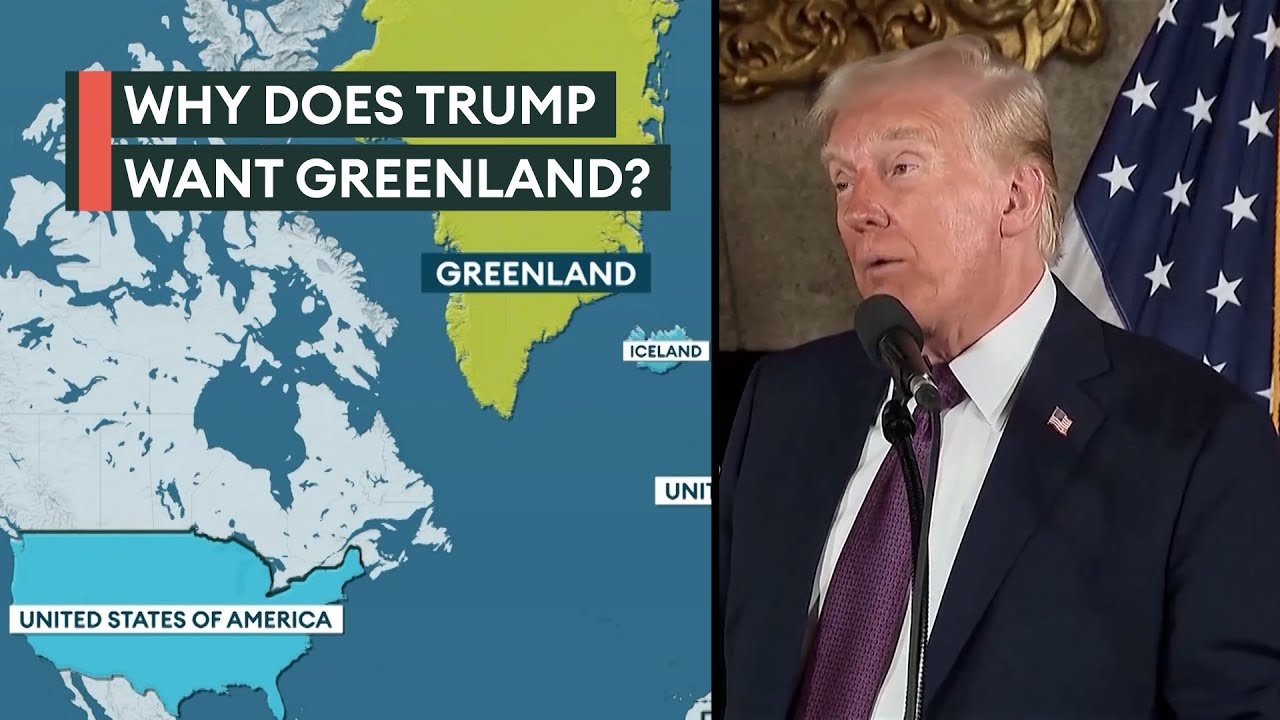
When you first hear the question “why does Trump want Greenland?” it might sound unusual. Greenland isn’t a tropical island paradise or a place millions of people visit every year. Instead, it’s a massive Arctic land with ice, few people, and a long history tied to U.S. interest in Greenland, Denmark Greenland relations, and global security. But in recent years, especially since Donald Trump returned to the White House, interest in the island has shot back into Greenland news headlines. And for many people, it raises big questions about strategy, politics, and international law.
In this article, we will explain in simple terms why Trump and Greenland have become such a hot topic, what the u.s. interest in greenland really involves, and how this issue affects alliances like is Greenland part of NATO and relations with Denmark Greenland. We’ll also look at what Greenlanders think and what could happen next.
What Is Greenland and Why Is It Important?
Greenland is the world’s largest island that is not a continent. It covers more than 800,000 square miles but has only about 57,000 people living mostly along its southern coast. It is a self‑governing territory of Denmark — meaning it runs most of its own affairs, but Denmark handles defense and foreign affairs for it.
The island sits in a key location in the Arctic, between North America and Europe. This makes Greenland valuable not just for its natural resources and geographic position, but also for security, shipping, and climate change impacts.
The U.S. History With Greenland
The U.S. has long had ties to Greenland. During World War II and the Cold War, the United States stationed troops and built radar stations on the island to monitor possible enemy attacks from the north. In fact, the U.S. still operates a major military base there called Pituffik Space Base (formerly Thule Air Base).
This long history helps explain why American leaders sometimes talk about Greenland as more than just a distant island.
Why Trump Revived Interest in Greenland
1. Strategic Military and Security Location
One of the main reasons Trump says he wants Greenland is because of national security. He points to Greenland’s Arctic location close to Russia and China and argues that the U.S. needs more control to defend itself and its allies.
From Washington’s perspective, having greater influence or control over Greenland might give the U.S. better early‑warning systems, closer radar monitoring of missile activity, and more strategic positioning in the Arctic.
This idea of national security is at the heart of Trump’s public messaging: he says the U.S. must protect itself from global rivals and cannot rely entirely on others, even allies, to do that.
However, critics note that the U.S. already cooperates closely with Denmark and NATO to monitor Arctic military activity, and that the U.S. doesn’t technically need to own Greenland to benefit from its strategic position.
2. Competition With Russia and China
Another part of the explanation involves world politics. Russia has a strong military and naval presence in the Arctic, and China has declared itself a “near‑Arctic state” with growing economic and research interests in the region.
Trump’s argument is that if the U.S. doesn’t act soon, Russia or China might increase their influence in Greenland and the Arctic. He has said things like “if we don’t take Greenland, Russia or China will take Greenland.”
Whether that threat is real — or exaggerated — is debated by foreign policy experts, but it remains a key part of how the topic appears in Greenland news.
3. Natural Resources and Economic Potential
Underneath Greenland’s ice lies a treasure trove of mineral resources. Geologists have found deposits of rare earth elements, uranium, copper, nickel, and other materials used in modern technology, green energy, and defense equipment.
Rare earth minerals are especially important because they are used in electric vehicles, smartphones, wind turbines, and military systems. China currently controls much of the global rare earth supply, and many U.S. strategists want to diversify where America gets these materials.
While Trump has publicly insisted that his interest in Greenland isn’t about minerals, the potential economic value of the island’s resources is a factor in why U.S. interest in Greenland exists.
4. Control of Shipping Routes and Arctic Access
Climate change is melting Arctic ice faster than expected. As the ice melts, new shipping routes are opening that could shorten voyages between Asia and Europe. Greenland sits in a position that could become central to Arctic trade and navigation.
If the U.S. had more influence over Greenland, it could potentially have more say in these routes, which could be economically valuable in the future.
This is not as widely discussed as the military and mineral angles, but it remains an important long‑term reason why Greenland matters in global strategy.
What Trump Has Said and Done About Greenland
Trump’s public comments have been bold and controversial. He has said the U.S. needs Greenland “for security” and referred to controlling it as a high priority. During press events, he has even mentioned that the U.S. could take Greenland “the easy way or the hard way.”
Officials in Trump’s administration have also met with Danish and Greenlandic representatives to talk about future possibilities, and reports suggest the White House has discussed a range of ideas — from buying the island from Denmark to establishing a stronger American military presence.
These kinds of statements have fueled intense media attention, and they show how Trump’s stance on Greenland has become part of his broader foreign policy messaging.
How Denmark, NATO, and Greenland Responded
Most importantly, Denmark and the Greenlandic government have firmly rejected the idea that Greenland could become part of the United States. Danish leaders have called any U.S. attempt to take the island “unacceptable” and warned that attacking a NATO ally would seriously damage or even end the alliance.
Greenlanders themselves have made it clear they do not want to become part of the U.S. — emphasizing their right to self‑determination. A joint political statement from major Greenlandic parties said, “We do not want to be Americans — we want to be Greenlanders.”
This shows that even though the u.s. interest in Greenland is strong politically, the people and government of Greenland want control over their own future.
Is Greenland Part of NATO?
This is an important question for understanding why the situation is so sensitive.
Greenland is not itself a full member of NATO, but it is connected to NATO because it is a self‑governing part of Denmark, which is a NATO member. That means Greenland benefits from NATO defense arrangements, but it does not make decisions independently about security or alliance membership.
So when Trump talks about Greenland, he isn’t just talking about a random piece of land — he is talking about territory tied to a major security alliance. That’s why many NATO countries have spoken out strongly against any attempt to transfer control of Greenland from Denmark to the U.S.
Why This Matters for the U.S., Denmark, and the World
Here’s why the situation has become so important:
National Security
Trump argues U.S. control — or stronger influence — would protect the country and its allies from Russia and China.
Alliance Stability
A forced takeover of Greenland from Denmark could fracture NATO, cause diplomatic crises, and damage U.S. relationships with Europe.
Energy and Minerals
Control or influence could shift economic power and access to key resources.
Greenlandic Self‑Determination
The people of Greenland want a voice in deciding their future, and many favor full independence from Denmark — but not becoming part of the U.S.
Climate and the Arctic
The Arctic climate crisis means Greenland will only grow in global importance, from shipping routes to scientific research.
What Could Happen Next?
At this stage, a full U.S. takeover of Greenland seems unlikely. Denmark and Greenland have made it clear they will not sell or cede the island, and NATO allies have rallied behind them.
Instead, future developments may include:
- Enhanced military cooperation under NATO rather than U.S. ownership.
- Increased European investment in Greenlandic infrastructure.
- Negotiated agreements that balance U.S. defense interests with Greenlandic autonomy.
- Economic partnerships focused on resource development under Greenland’s control.
All of these paths avoid political and legal chaos while responding to some of the concerns raised by Trump’s statements.
Conclusion
So, why does Trump want Greenland? The answer isn’t simple, but it includes several overlapping factors:
- Strategic position for global security
- Competition with Russia and China
- Valuable natural resources
- New Arctic shipping lanes
- Desire to assert U.S. power and influence
However, it’s equally important to see the other side of the story — Denmark and Greenland reject the idea of an American takeover, Greenlanders want control over their own future, and NATO allies are pushing back against any change in the island’s status. The entire debate highlights how even remote places like Greenland are part of major global trends in politics, security, and economics.
Understanding these realities — not just the headlines — helps us see why Greenland matters so much in today’s world.